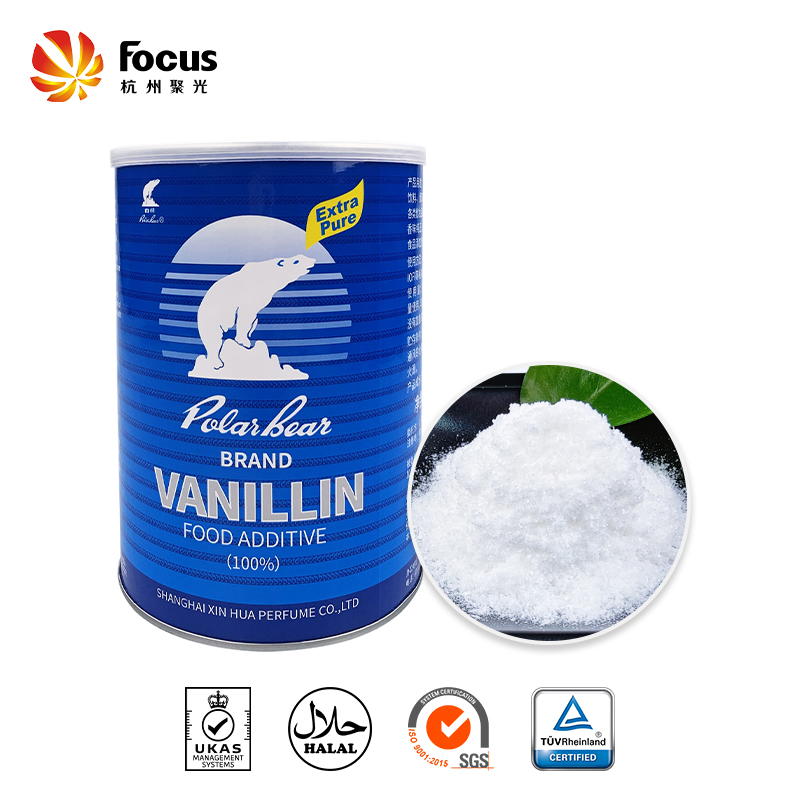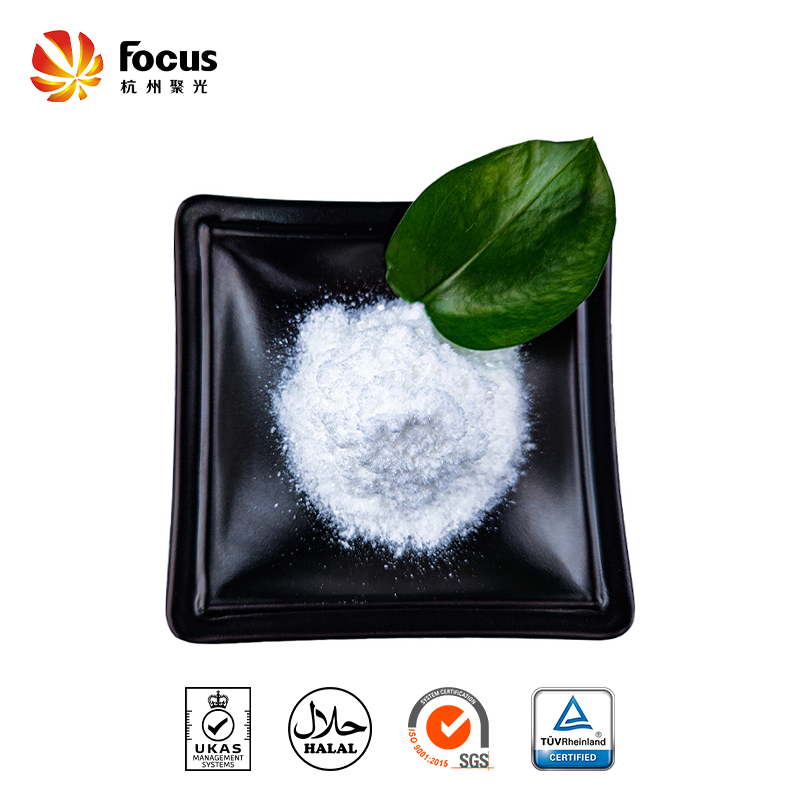
What is Vanllin?
Product introduction:
Vanillin was first discovered from the orchid plant vanilla. It can be said that the prosperity of orchid plant vanilla laid a solid foundation for the development of vanillin. Vanilla is a climbing plant that can grow year-round in tropical regions. The clustered pods that grow after maturity are the origin of vanillin. In fact, the fresh pods of vanilla do not have a strong aroma, because the vanillin in the pods is combined with glycosides, and it needs to be fermented to release the aroma. After it is fragrant, it contains more than 250 volatile aromatic components. Vanillin are the most important one.
After entering the 19th century, the advancement of science and technology led to the in-depth development of vanilla. Vanilla gradually got rid of low-end applications and turned to extract vanillin, which was used in high-end food, cosmetics and other fields. With the increasing application of vanillin, natural vanilla is far from meeting the needs of industry, and the demand for artificial synthesis is very urgent. In 1874, two German scientists, Dr. M. Harman and Dr. G. Teimann, synthesized vanillin for the first time, and its structure was completely consistent with natural vanillin. The artificial synthesis opened a new chapter in the development of vanillin.
What is application of Vanillin?
Vanillin is one of the most widely used food flavoring agents in the world. It has the reputation of "the king of food flavors". It is mainly used as a flavor enhancer in the food industry; in the cosmetics industry, it can be used as a flavoring agent in perfume and face creams; in the daily chemical industry, it can be used to modify the aroma in daily chemical products; in the chemical industry, it can be used as a defoamer, vulcanizing agent and chemical precursor; it can also be used in analysis and detection, such as to test amino compounds and certain acids.
How is Vanillin used food industry?
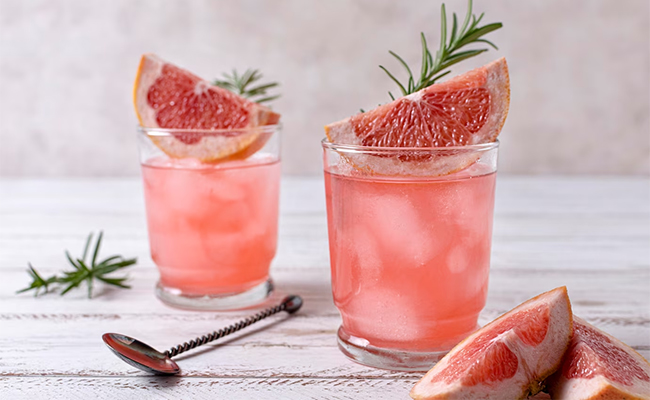
Vanillin is also an important edible spice, used as a foundation spice, used in almost all flavor types, widely used in the food industry, widely used as food flavor in bread, cream, ice cream, brandy, etc., in pastries, biscuits The added amount is 0.01-0.04%, and 0.02-0.08% in candy. It is one of the most used spices in baked goods and can be used in chocolate, biscuits, cakes, puddings and ice cream. Dissolve in warm water before use for better results. The highest consumption is 220mg/kg for baked goods and 970mg/kg for chocolate. As a fixative, coordinating agent and modifier, it is widely used in cosmetic fragrances. It is also an important flavor enhancer for beverages and food.
How is Vanillin used in daily chemical flavor raw materials?
Vanillin is used as a powdered aroma ingredient to enhance various fruit components (such as pear and peach) in fruit fragrances. Some floral notes can also be synthesized, such as heliotrope and orchid, which have strong notes of vanilla. Applied in floral notes such as rose, orange blossom and daffodil, it can bring warmth and elegance.
How is Vanillin used in fine chemical product?
Vanillin can also be widely used in the production of pharmaceutical intermediates, as well as plant growth promoters, fungicides, lubricant defoamers, electroplating brighteners, printed circuit board production conductive agents, etc.
What is the benefits of Vanillin?
Anti-oxidize effect
Vanillin has antioxidant effect on oily food and can prolong the shelf life of oily food.
A natural antibacterial agent
Vanillin is also a natural bacteriostatic agent that controls enzymatic browning and softening. In the food field, it is often combined with other antibacterial methods to work together. Vanillin has inhibitory effect on Escherichia coli and Staphylococcus aureus.