Role of Yeast in Beer, Wine, and Bread Production
Yeast, the unsung hero of beer, wine, and bread, plays a fascinating role in bringing these delightful treats to our tables. Let’s dive into the amazing world of yeast and explore how it contributes to the creation of these beloved products that have been enjoyed by humans for centuries.

Beer production
When it comes to beer, yeast is very important in the fermentation process. Its main job is to convert the sugar in barley malt into alcohol and carbon dioxide. This transformation is referred to as fermentation, resulting in a hissing sound and alcohol odor during the fermentation process. Brewers carefully select specific yeast strains to make the best beer. Firstly, mash barley malt to release sugar. These sugars provide delicious taste for yeast. Then, the brewer introduces yeast into the mixture and fermentation begins. Next, it will produce alcohol and carbon dioxide as by-products. Alcohol produces intoxicating effects on beer, while carbon dioxide produces bubbles and foam that we all like.But yeast’s contribution to beer doesn’t stop there. Different yeast strains can produce distinct flavors and aromas, adding a layer of complexity to the final brew. Brewers carefully choose yeast strains to craft beers with unique taste profiles, ensuring a diverse and exciting beer-drinking experience.
Wine Production
Yeast’s role in winemaking shares similarities with its involvement in beer production, but with its own twists and turns. Grapes, nature’s sweet gift, contain sugars that, when combined with yeast, undergo fermentation. In winemaking, the primary yeast species used is also Saccharomyces cerevisiae, although spontaneous fermentation with other yeast species can occur.
The journey begins with the crushing and pressing of grapes to extract their juice, known as “must.” This precious liquid is then transferred to fermentation vessels, where yeast enters the scene. The yeast, either naturally present on the grape skins or added as a cultured strain, joyfully indulges in the sugars present in the must. As a result, it produces alcohol, carbon dioxide, and an array of delightful flavor compounds.
Winemakers carefully control the fermentation process, maintaining specific conditions such as temperature and oxygen levels. These factors influence the flavor profile and overall quality of the wine. After fermentation, the wine is aged, allowing it to develop and mature, further enhancing its flavors and characteristics.
Just like in beer, the choice of yeast in winemaking is crucial. Different yeast strains contribute unique flavors and aromas, shaping the final wine. Winemakers select yeast strains with care, aiming to create wines that captivate the senses and provide an unforgettable tasting experience.
Bread Production
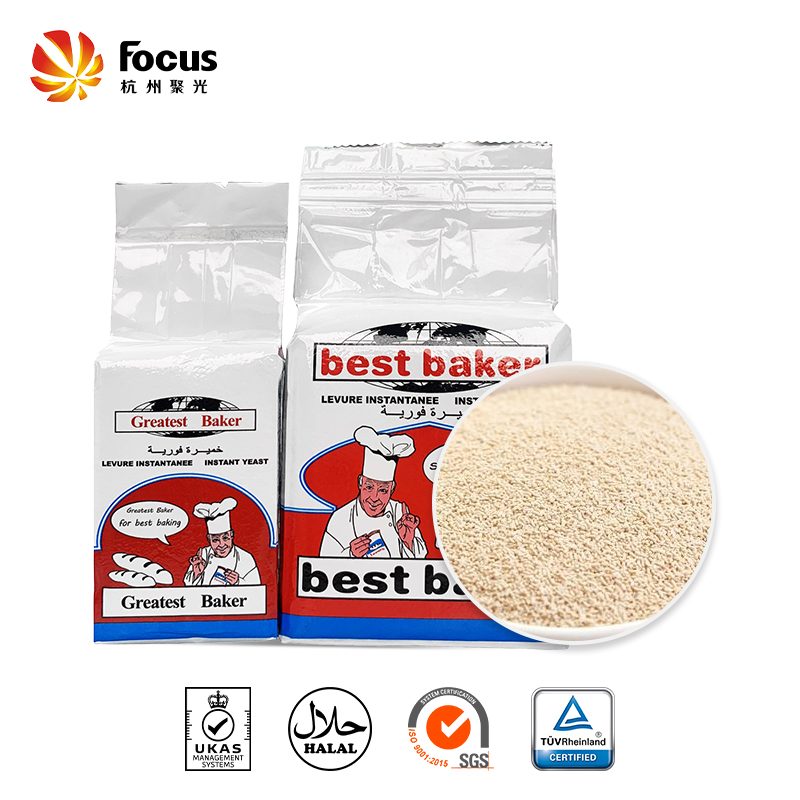
Yeast’s role in bread production takes a different path, but one that is equally essential. In breadmaking, yeast acts as a magical leavening agent, responsible for the rise and texture of the dough. The most commonly used yeast species in breadmaking is our trusty Saccharomyces cerevisiae.
When yeast joins the bread dough party, it happily consumes the sugars present and produces carbon dioxide as a byproduct through fermentation. This carbon dioxide gets trapped within the dough, creating those delightful air pockets that make bread light and fluffy. This process, known as proofing, is essential for achieving the desired texture in bread.
Temperature and time play a significant role in yeast’s bread-making adventure. Bakers carefully control these factors to ensure proper fermentation and rise. Once the dough has risen to perfection, it’s time for the grand finale—the baking. The high heat of the oven kills the yeast, setting the structure of the bread and giving it that irresistible golden crust.
Yeast doesn’t just stop at leavening bread; it also contributes to its flavor and aroma. The byproducts of yeast fermentation, such as alcohol and various organic compounds, give bread its distinct and mouthwatering taste and smell.
Conclusion
Yeast, the unsung hero of beer, wine, and bread production, deserves our appreciation for its incredible contributions. From converting sugars into alcohol and carbon dioxide to shaping flavors, aromas, and textures, yeast’s impact on these beloved products is undeniable.
Next time you enjoy a refreshing beer, savor a glass of fine wine, or bite into a freshly baked loaf of bread, take a moment to acknowledge the role of yeast in making these experiences possible. It’s a testament to the remarkable partnership between humans and nature, where a tiny organism can create wonders that tantalize our taste buds and bring joy to our lives.