What is Alcohol Yeast?
Product introduction:
Saccharomyces cerevisiae was the first eukaryote to complete genome sequencing, which was completed in 1996. At the same time, saccharomyces cerevisiae is the most commonly used biological species in fermentation. [1] Saccharomyces cerevisiae has the advantages of short growth cycle, strong fermentation ability, easy large-scale culture and rich nutrients containing a variety of proteins, amino acids, vitamins, bioactive substances, etc. It has been the main object of basic and applied research, and has been widely used in food, medicine and other fields. [3] Saccharomyces cerevisiae is also used in the fermentation of other metabolites of important industrial value.
Q: What is application of Alcohol dry yeast ?
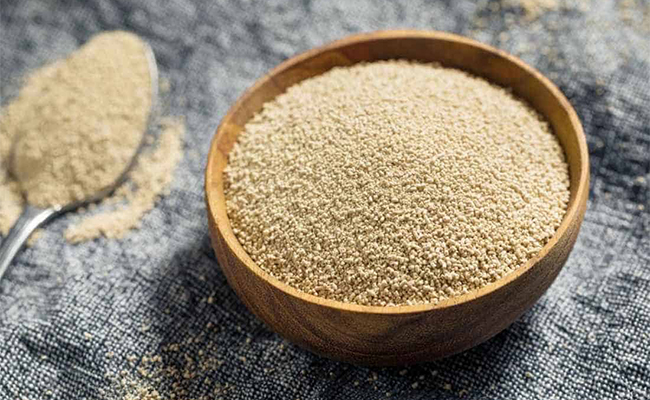
Saccharomyces cerevisiae produces alcohol by metabolizing sugars found in fruits, grains, honey and other raw materials.
Q: Difference between instant and active dry yeast?
Instant and active dry yeast are essentially the same ingredient, just in slightly different forms and applications. You should keep sealed packets of both yeast types at room temperature and store partially used packets in an airtight container in the refrigerator. The main differences between the two are:
Active yeast needs rehydration. Instant yeast can be mixed directly into dry ingredients, whereas active dry yeast must first be dissolved and rehydrated in warm water.
Instant yeast needs less time to rise. Since instant yeast has a finer texture than active dry yeast, it’s possible to skip the initial rise time and shape loaves immediately after kneading. Loaves made with active dry yeast require longer rising times for the yeast to work its way through the dough.
Q: How to Use Dry Yeast?
Now that you know what dry yeast is, it's time to discover how you can use it to create Alcohol goods. Continue reading to find a few of our favorite recipes that feature dry yeast as the main ingredient.
To Make Alcohol Beverage&Wine
Yeast will glucose, fructose, mannose and other monosaccharides into the cell, in the absence of oxygen, through the action of endogenous enzymes, the monosaccharides are decomposed into carbon dioxide and ethanol, this effect is fermentation.
Saccharomyces cerevisiae ethanol production pathway: Glucose is an easy to use carbon source, many microorganisms can use glucose fermentation to produce ethanol. The fermentation process of glucose ethanol by yeast under anaerobic condition includes two biochemical reaction processes: glucose colysis and anaerobic degradation of pyruvate. The process consists of two stages. In the first stage, glucose is decomposed into pyruvate by glycolysis. In the second stage, pyruvate is catalyzed by decarboxylase to produce acetaldehyde and carbon dioxide, and acetaldehyde is further reduced to ethanol.
To Used in Feed industry
The inactive form and cell components of Saccharomyces cerevisiae can be used as organic trace elements of yeast, functional protein raw materials, immune enhancement agents, mycotoxin adsorbent, antibacterial and growth promoting agents. Saccharomyces cerevisiae can convert inorganic metal form to organic form through extracellular enrichment, cell surface adsorption or complexation, intracellular enrichment and transformation.
Other related:
1.Bread Improver Substitutes | What Methods Can I Use ?
2.Instant Dry Yeast vs Active Dry Yeast: What’s the Difference?
3.Brewer’s Yeast for Dogs:Benefits and Risks - Hz-Focus
4.Role of Yeast in Beer, Wine, and Bread Production
5.What are the types of yeast, don't use the wrong yeast
6.How to Activate Instant Dry Yeast?
8.The Best 6 Methods for Storing Yeast