What is Baking Powder?
What is Baking PowderWhat is Baking Powder
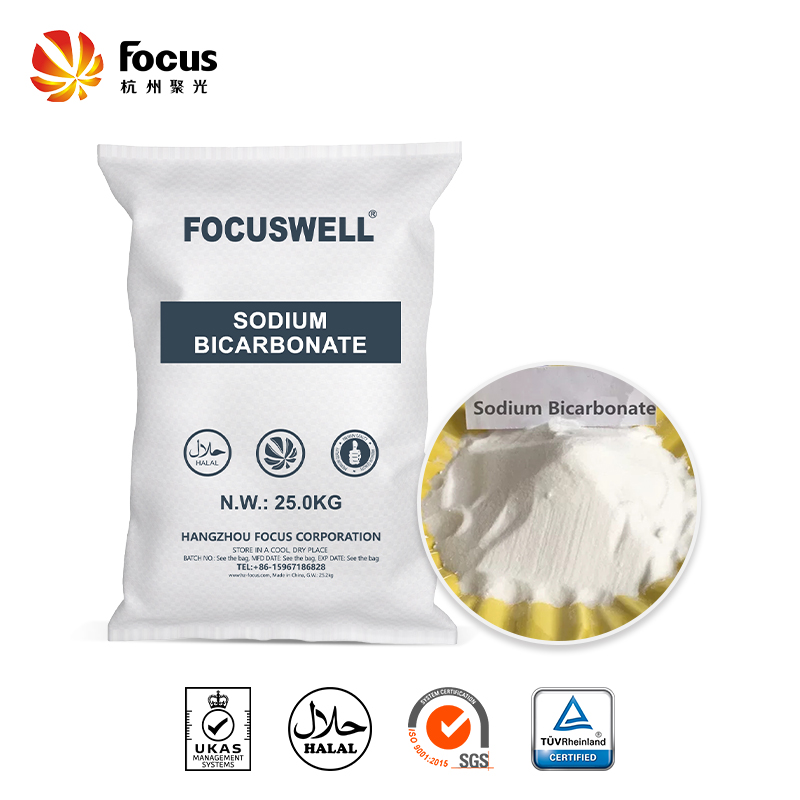
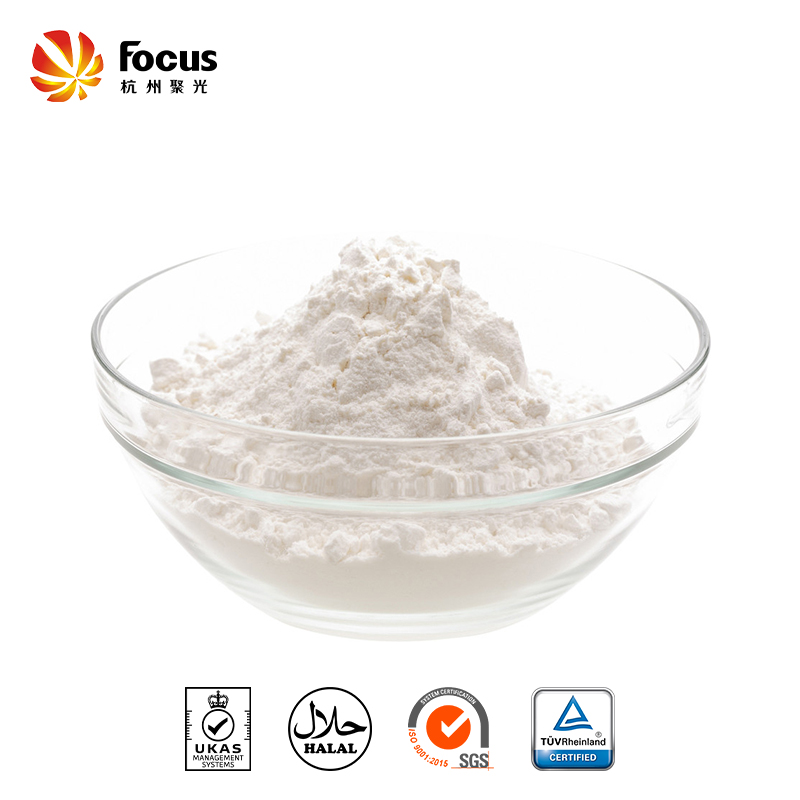
Baking powder is a dry chemical leavening agent.A mixture of carbonate or bicarbonate and a weak acid. The base and acid are prevented from reacting prematurely by the inclusion of a buffer such as cornstarch. Baking powder is used to increase the volume and lighten the texture of baked goods. It works by releasing carbon dioxide gas into a batter or dough through an acid–base reaction, causing bubbles in the wet mixture to expand and thus leavening the mixture
Baking powder is used instead of yeast for end-products where fermentation flavors would be undesirable,where the batter lacks the elastic structure to hold gas bubbles for more than a few minutes,and to speed the production of baked goods. Because carbon dioxide is released at a faster rate through the acid-base reaction than through fermentation, breads made by chemical leavening are called quick breads. The introduction of baking powder was revolutionary in minimizing the time and labor required to make breadstuffs. It led to the creation of new types of cakes, cookies, biscuits, and other baked goods
How it Works?
In order for baking powder to react and for your cakes to rise, the baking powder has to first come into contact with water. As a dry powder, baking powder is quite stable and the acid and the sodium bicarbonate don't react. It's not until the baking powder comes into contact with the liquids in your cake batters and cookie doughs that the baking powder begins to react
Some baking powders won't react until the mixture is hydrated and heated. This is especially true of double-acting baking powders which first react at room temperature when mixed into cake batters and cookie doughs, but they react a second time when the batter or dough is placed in the oven to bak
Other related:
1.Bread Improver Substitutes | What Methods Can I Use ?
2.Instant Dry Yeast vs Active Dry Yeast: What’s the Difference?
3.Brewer’s Yeast for Dogs:Benefits and Risks - Hz-Focus
4.Role of Yeast in Beer, Wine, and Bread Production
5.What are the types of yeast, don't use the wrong yeast
6.How to Activate Instant Dry Yeast?
8.The Best 6 Methods for Storing Yeast