What is Lecithin?
What is Lecithin?
Lecithin is a food additive that comes from several sources — one of them being soy. It’s generally used as an emulsifier, or lubricant, when added to food, but also has uses as an antioxidant and flavor protector.
What is type of Lecithin?
Lecithin supplements are usually derived from sunflower seeds, eggs, or soybeans. Soy is by far the ingredient most commonly used to create lecithin supplements. Animal fats, fish, and corn are also sometimes used.
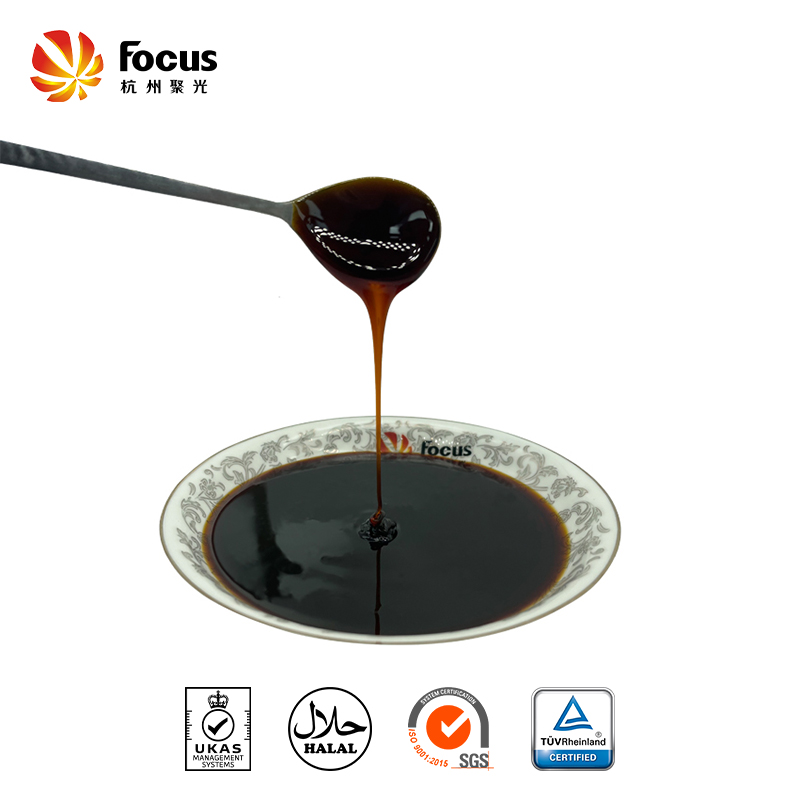
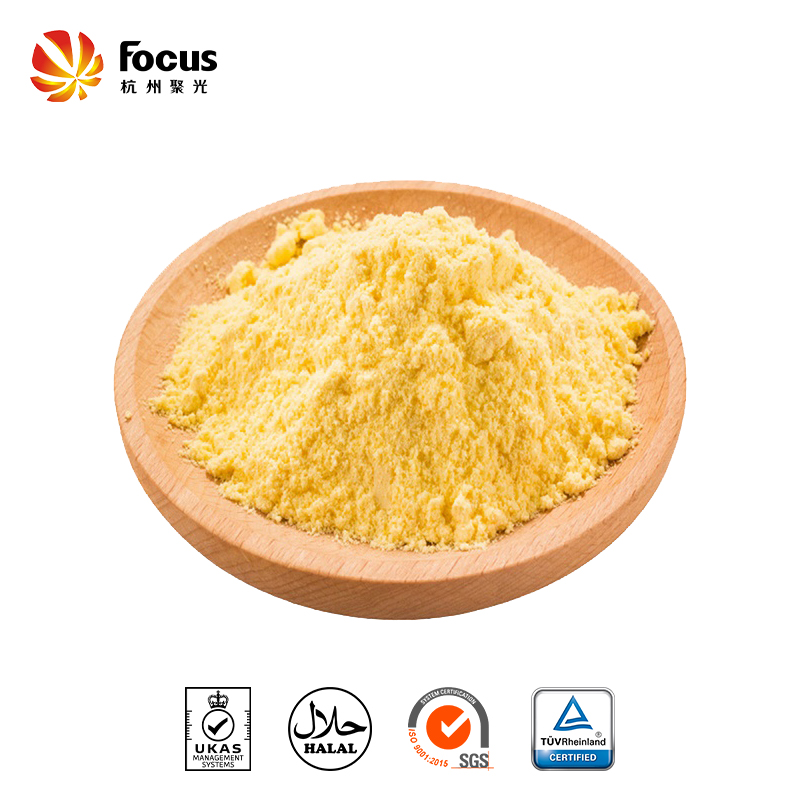
While soybean lecithin tends to come in granulated capsule form, you can buy sunflower lecithin in both powder and liquid form, too. Sunflower lecithin isn’t as common, but some people prefer it, especially if they’re trying to avoid genetically modified organisms (GMOs) in their food.
While soybeans are sometimes genetically modified in mass production, sunflower seeds aren’t. The process of extraction is also gentler for sunflower lecithin. Extracting lecithin from the sunflower seeds doesn’t require harsh chemicals.
What is application of Lecithin?
The chemical properties of soy lecithin make it worthwhile for both functional and nutritional purposes. Soy lecithin can be used for cooking, taken as a supplement, or eaten in food, depending on the specific scenario.
How is Lecithin used in Baking?
Lecithin is a natural emulsifier that is used in baked goods, chocolate, confections, dairy products, icing products, and spreads. For example, lecithin is typically added to some bread formulations at 0.2 percent. In addition, it is used to create layered cakes, according to the weight of the flour at 0.5-1.5 percent.
When mixed well with accurate measurements, wetting the dry ingredients is much easier. Lecithin also increases the volume of the bread when you are using it for baking bread. Lecithin is usually found in natural plant products such as soybeans and raw products such as eggs.
What is the benefits of Lecithin used in bakery?
Apart from using lecithin as an emulsifier, lecithin also functions well as a natural preservative. This means that with every bake that you add lecithin, you are producing a baked good with a longer shelf-life. This is the method that many of the prepackaged baked goods sold in grocery stores use to make their products.
Lecithin is a powerful ingredient in commercial bakeries because it helps them reduce the number of eggs used when baking, and therefore, it allows them to save money. In addition, eggs also act as a natural emulsifier, which means lecithin can easily replace eggs that are being used specifically for emulsification purposes.
How is Lecithin usd in paint?
Lecithin is used as a natural emulsifying, anti- splatter additive, and stabilizing agent in paint applications thanks to its anti-settling properties. Lecithin is found in printing inks, water and latex based paints, and caulk compounds.
Not only does lecithin improve the quality of paint products, it’s also good for the environment. Some paint and coating materials contain toxic VOCs that are harmful to the environment. Companies looking to reduce their environmental impact should seek natural solutions when it comes to the sourcing of ingredients, and lecithin helps make that possible.
How is Lecithin usd in cosmetics?
Lecithin has antioxidant properties which are beneficial in cosmetics. For many reasons, lecithin is added to cosmetics as a nature emulsifying agent, and as a dispersing agent for pigments. Also, lecithin is naturally found in the body, it works with the skin to restore moisture.
Hydrogenated lecithin is the lecithin used in cosmetics. It’s produced by adding hydrogen to lecithin. When topically applied with a cosmetic product, it softens and soothes skin. At the same time, it creates a protective barrier that locks in moisture, while keeping environmental pollutants out. It’s an excellent addition in products that promote good skin health, including restorative creams or other topicals that address mature or dry skin issues.
What is the benefits of Lecithin?
Lower Cholesterol and Reduced Risk of Heart Disease
Lecithin made from soy reduces "bad" LDL cholesterol and may also raise "good" HDL cholesterol. Less LDL cholesterol can mean less fatty plaque buildup in your arteries and a lower risk of cardiovascular disease, while HDL cholesterol helps to carry away LDL cholesterol and plaque to the liver for processing, reducing the risk of blockages.
Clear Ducts for Breastfeeding
Lecithin may help breastfeeding mothers avoid clogged ducts. This condition can be painful and uncomfortable, and it can cause swelling or redness in the area of the blockage. A blocked breast duct can lead to an infection or mastitis, a condition caused by a backup of milk that makes breastfeeding mothers feel achy and feverish.
Taking 1 tablespoon, or about 1,200 milligrams, of lecithin four times per day can help reduce the thickness of the breast milk, making a clog less likely.
Healthy Brain Function
Researchers have been studying whether lecithin — which contains choline, an important nutrient for brain function — can help symptoms of dementia and other memory problems. One study did show significant results. However, the results of other studies and research are inconclusive and show that there is not any benefit to taking lecithin for dementia. Experts have not ruled it out, but more research is needed to determine whether lecithin can help with memory problems.
Healthy Skin
Many skin care and cosmetic products contain lecithin. It works well as a moisturizer, reducing flakiness when applied. Studies show that it is safe to use on the skin in concentrations of up to 15%.
Have protective effects in the body. Citric acid used in medicine can kill bacteria and lower the acid in urine.
Remove tough stains. For this reason, it’s added to some cleaning products.