Post time: 2024-11-29 16:57:15

News
Here you are:
NEWS
Natamycin shipped to USA
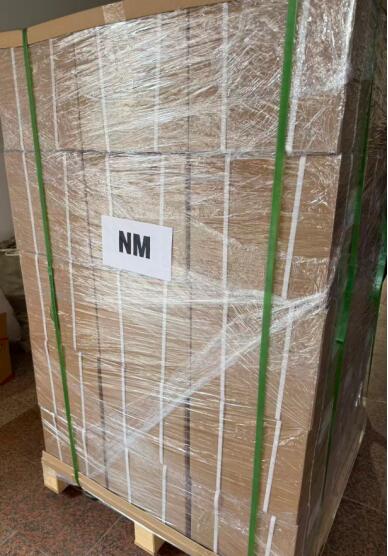
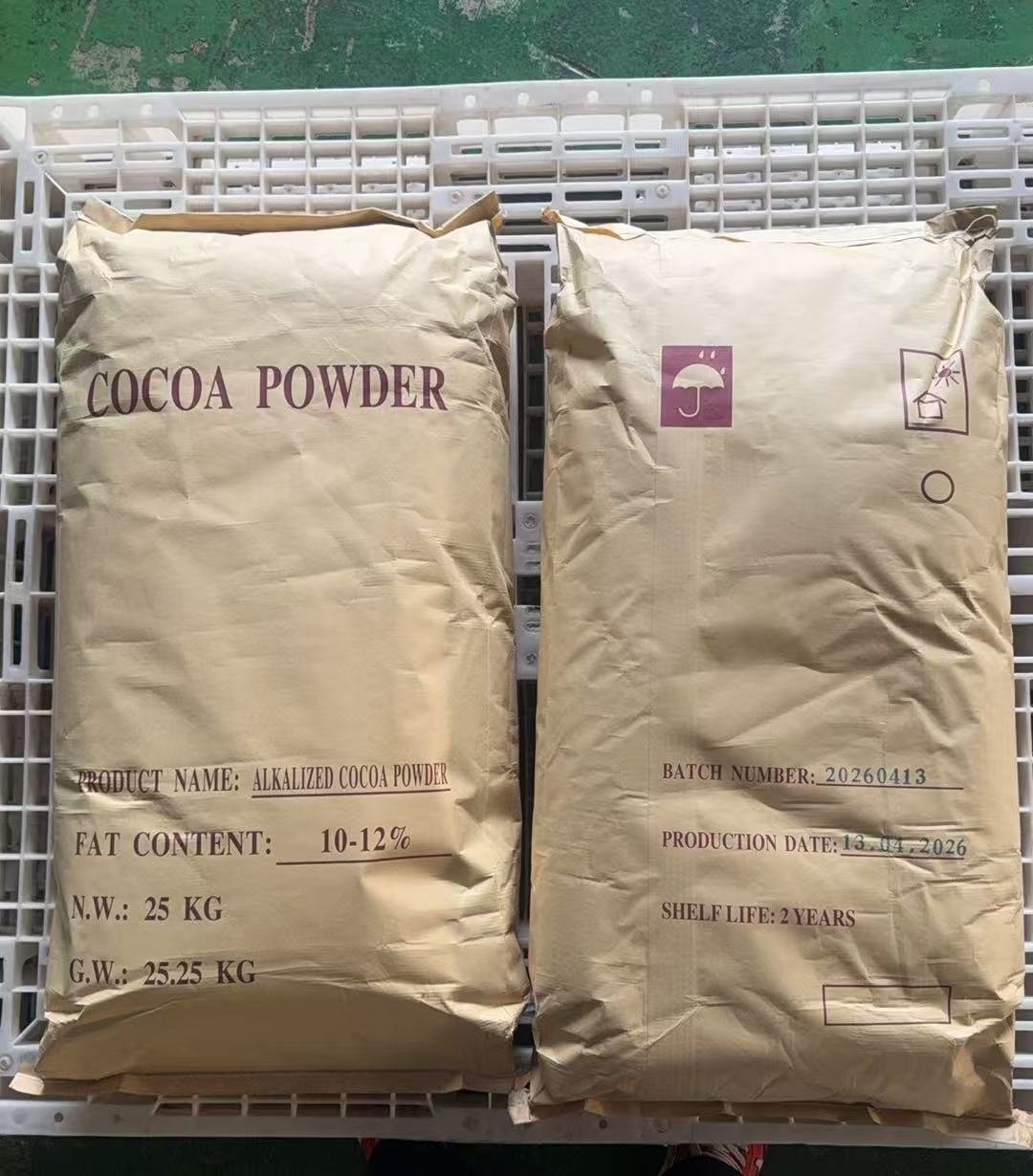
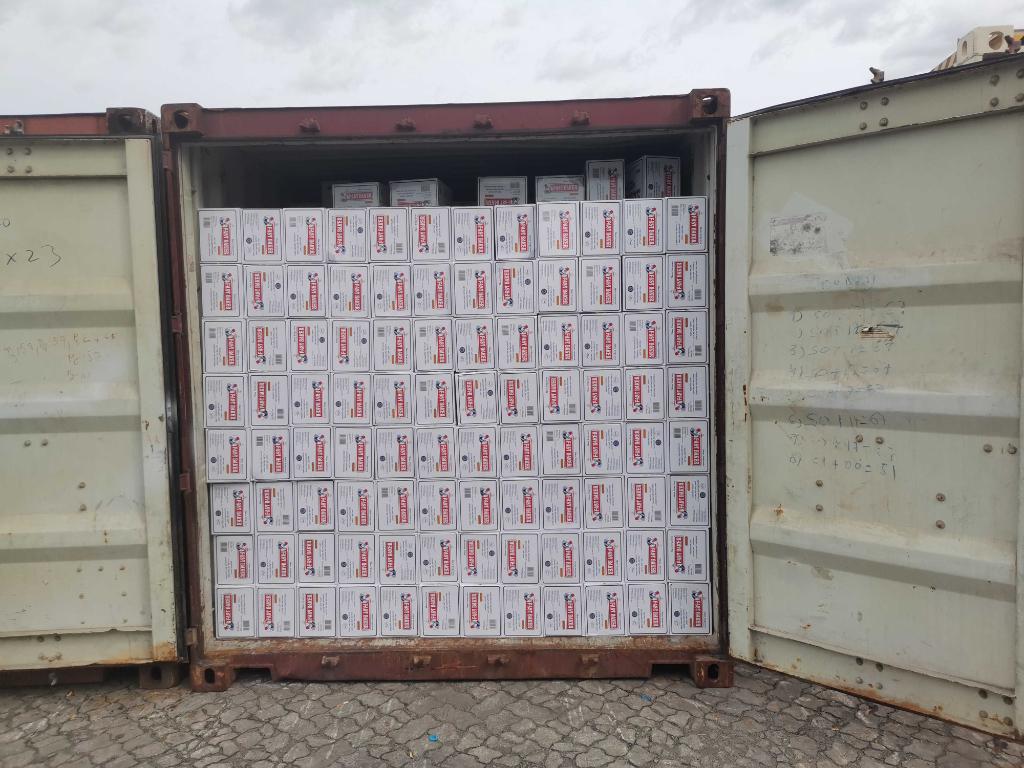
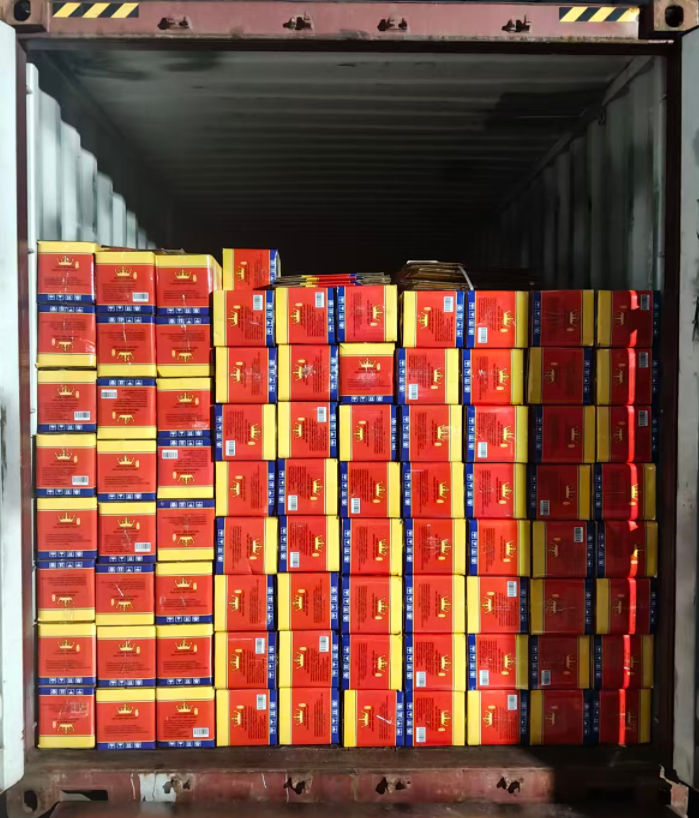
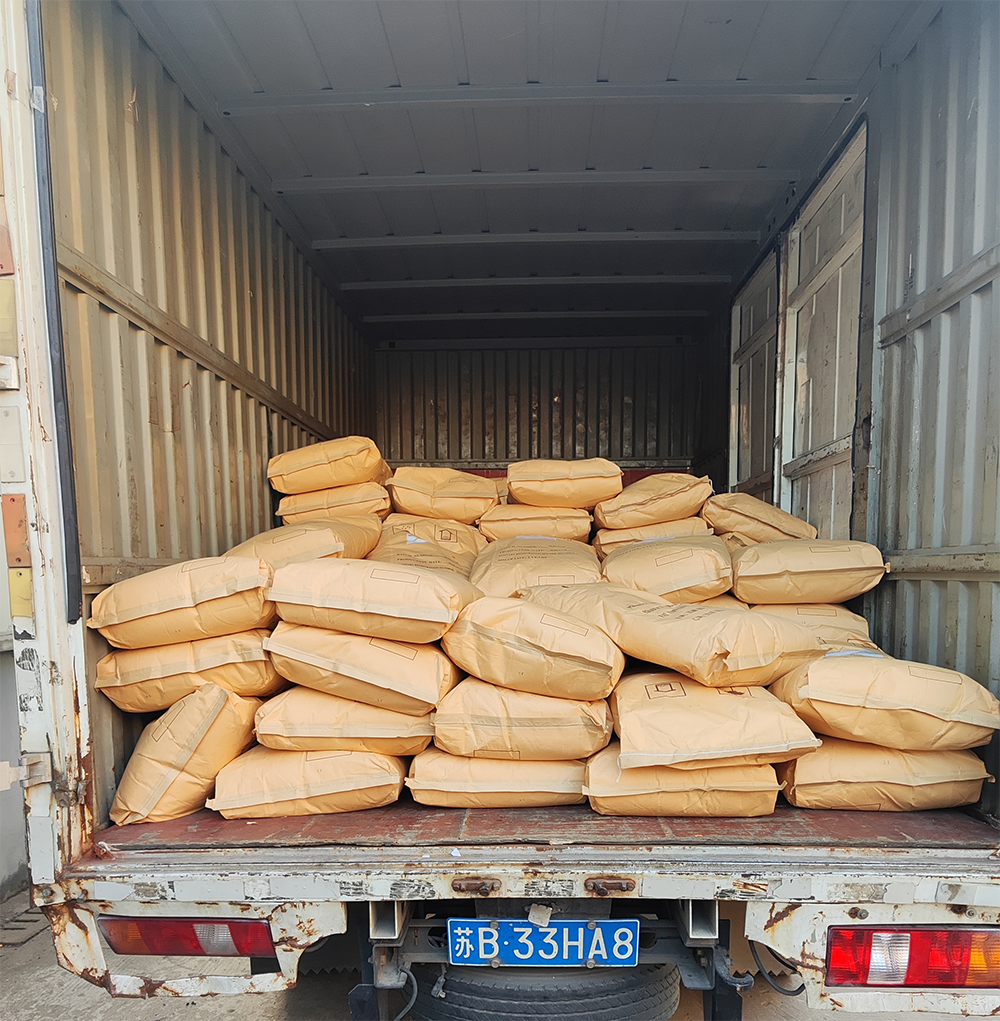
An American client recently ordered a batch of natamycin.
The Role of Natamycin in the Transportation of Bread within the United States In the complex landscape of the American food industry, the transportation of bread is a crucial aspect that requires meticulous attention to ensure the quality and safety of the final product. One significant factor that plays a vital role in this process is natamycin. Natamycin, a naturally occurring antifungal agent, has emerged as a key player in maintaining the integrity of bread during its journey across the vast expanse of the United States. The country's extensive transportation networks and varying climatic conditions pose significant challenges to preserving the freshness and quality of bread. During transportation, bread is exposed to various environmental factors such as temperature fluctuations, humidity changes, and potential microbial contamination. Natamycin acts as a protective shield, effectively inhibiting the growth of molds and yeasts that can rapidly deteriorate the bread. The use of natamycin in bread for transportation within the United States is not only beneficial in preventing spoilage but also has economic implications. By extending the shelf life of bread, it reduces losses due to spoilage and wastage, thereby enhancing the efficiency and profitability of the supply chain. Furthermore, strict regulations and quality control measures are in place in the United States to ensure the safe and appropriate use of natamycin in bread. This ensures that consumers are provided with high-quality, fresh bread that meets all safety standards. In conclusion, natamycin plays an indispensable role in the successful transportation of bread within the United States. It helps maintain the quality, freshness, and safety of bread, contributing to the satisfaction of consumers and the stability of the bread industry.

The Role of Natamycin in the Transportation of Bread within the United States In the complex landscape of the American food industry, the transportation of bread is a crucial aspect that requires meticulous attention to ensure the quality and safety of the final product. One significant factor that plays a vital role in this process is natamycin. Natamycin, a naturally occurring antifungal agent, has emerged as a key player in maintaining the integrity of bread during its journey across the vast expanse of the United States. The country's extensive transportation networks and varying climatic conditions pose significant challenges to preserving the freshness and quality of bread. During transportation, bread is exposed to various environmental factors such as temperature fluctuations, humidity changes, and potential microbial contamination. Natamycin acts as a protective shield, effectively inhibiting the growth of molds and yeasts that can rapidly deteriorate the bread. The use of natamycin in bread for transportation within the United States is not only beneficial in preventing spoilage but also has economic implications. By extending the shelf life of bread, it reduces losses due to spoilage and wastage, thereby enhancing the efficiency and profitability of the supply chain. Furthermore, strict regulations and quality control measures are in place in the United States to ensure the safe and appropriate use of natamycin in bread. This ensures that consumers are provided with high-quality, fresh bread that meets all safety standards. In conclusion, natamycin plays an indispensable role in the successful transportation of bread within the United States. It helps maintain the quality, freshness, and safety of bread, contributing to the satisfaction of consumers and the stability of the bread industry.
You may like these
LATEST ARTICLES