
Chewing Gum Base – The Foundation of Great Tasting Gum
Introduce:
Chewing gum base is the core component in chewing gum, serving as the chewable carrier for sweeteners, flavors, colorants, and other ingredients. It gives chewing gum its characteristic texture, softness, and elasticity.
Made from a combination of food-grade rubber, resins, waxes, softeners, and fillers, gum base is tasteless and odorless by itself, allowing for easy customization and flavor absorption. It is the key to determining the gum’s chew texture, bubble-forming ability (for bubble gum), and shelf stability.
Applications & Usage Scenarios
Chewing gum base is widely used in various types of gum products, including:
Stick Gum
Pellet (Dragee) Gum
Bubble Gum
Sugar-free Chewing Gum
Functional Gum (e.g., caffeine gum, vitamin gum, dental gum, nicotine gum)
Function & Mechanism:
Gum base provides:
Elasticity & chewability (from elastomers and plasticizers)
Film-forming & binding capacity (from resins)
Texture adjustment (from waxes and softeners)
Flavor release control during chewing
Production Process
The production of chewing gum base typically involves the following steps:
Raw Material Blending: Elastomers, resins, waxes, and softeners are weighed and mixed.
Heating & Melting: Materials are melted in a high-temperature mixer until homogeneous.
Filtering & De-aeration: The base is filtered to remove impurities and air bubbles.
Cooling & Forming: The molten gum base is cooled and shaped into slabs or pellets.
Packaging: Final gum base is packed for shipment.
We offer slab and sheet formats to suit various manufacturing processes.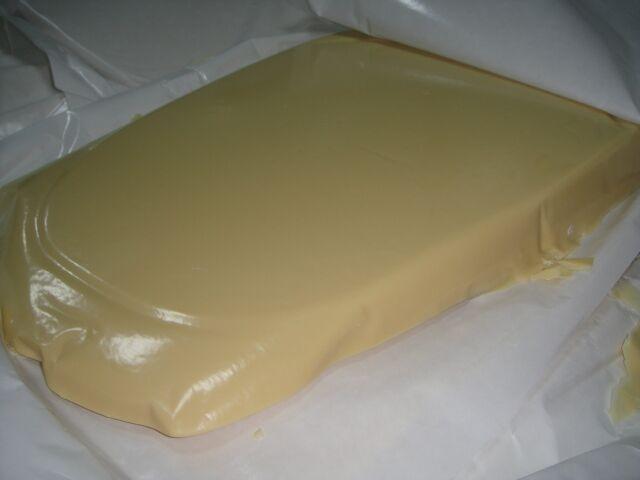
Usage Instructions
How to Use:
Heat the gum base until softened or melted.
Add sweeteners, flavorings, and other ingredients gradually under continuous mixing.
Mix until a uniform mass is achieved.
Cool, shape, and wrap the gum as required.
Gum base can be processed using standard gum mixers, extruders, and rolling/cutting equipment.
Packaging & Storage
Standard Packaging: 25 kg/carton, 33 kg/carton
Shelf Life: 24 months
Storage Conditions: Store in a cool, dry, and well-ventilated area. Avoid direct sunlight and high humidity.


