How to Use Msg in Food? | Focus
Learn about MSG:
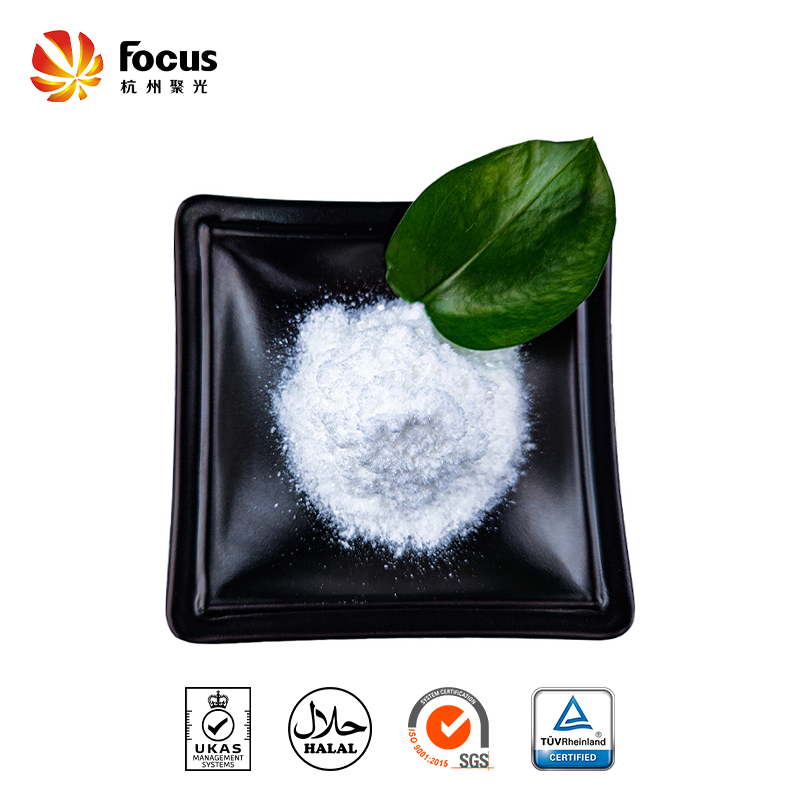
MSG, also known as sodium monosodium glutamate or sodium glutamate, is a commonly used food additive and condiment. It usually appears as a white crystalline powder and has the effect of enhancing the umami taste of food. The main component of MSG is sodium glutamate, with the chemical formula C5H8NO4Na, a natural amino acid salt.
Use MSG in food with caution, here are some suggestions.
Using MSG in food:
- 1.Use in moderation
Proportion: Normally, only about 0.1g to 0.5g of MSG is used for every 500g of ingredients.
Increase with caution: It's best to start with smaller amounts and gradually increase to suit personal taste, but avoid overdosing.
2.Enhance the umami flavor: MSG is widely used to enhance the umami flavor of food, especially in light dishes, such as clear soups, stir-fried vegetables, etc. It can improve the overall taste of food and make it more delicious.
- 3.Blending the taste: Sometimes, the taste of the ingredients themselves may not be outstanding enough or may be a little monotonous. In this case, MSG can be used to balance the taste of food and make the various seasoning ingredients more harmonious.
- 4.Increase appetite: MSG can increase the appeal of food to a certain extent, making people more willing to taste these dishes. This is more common in some home-cooked dishes or fast food.
Safety of eating MSG:
There is some controversy in the scientific community about the safety of MSG. Some studies show that normal use of MSG is safe. The U.S. Food and Drug Administration (FDA) considers MSG a food additive "generally recognized as safe" as long as it is used in appropriate amounts in food. The World Health Organization (WHO) has issued a similar statement, deeming MSG safe when used in moderation.
However, some people may be allergic to MSG or have adverse reactions to excessive intake of it. Excessive consumption of MSG may cause symptoms such as headache, nausea, chest tightness, etc. This is called "MSG allergy" or "Chinese restaurant syndrome." However, the scientific community is divided on the authenticity of this phenomenon.
Substitute:
MSG is a commonly used condiment, but some people may be concerned about its potential health effects. They may choose to use other condiments or substitutions to achieve a similar taste.
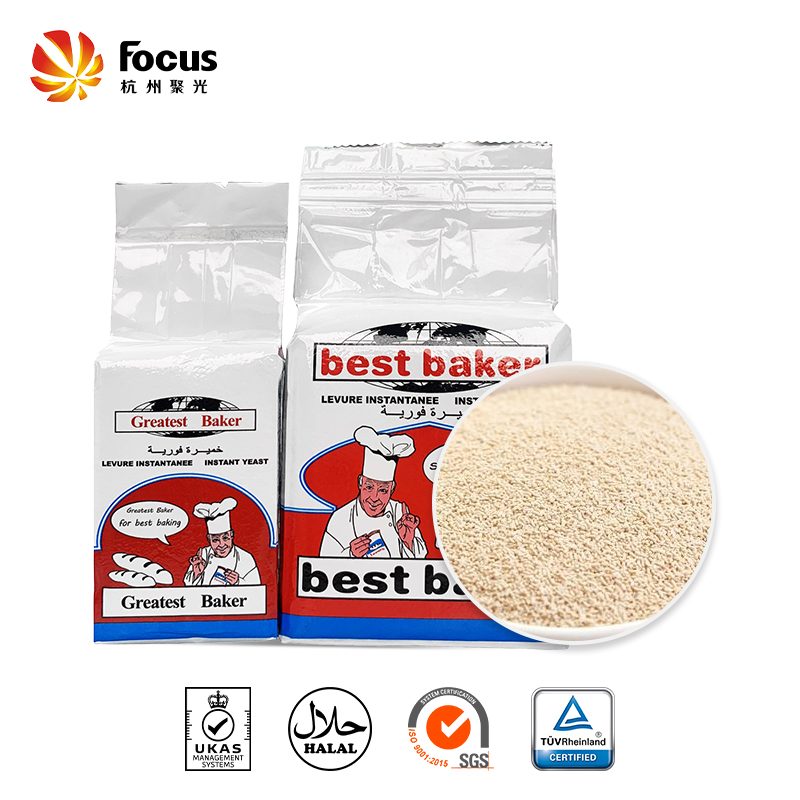
1.A common substitute is yeast extract, which can provide foods with an umami flavor similar to MSG and is widely used in many dishes.- 2.In addition, seafood soy sauce is also used as a substitute for MSG, which can add a deep salty taste and aroma to dishes.
- 3.Mushroom powder is another option that can provide similar umami and flavor to dishes.
- 4.In addition to these alternatives, some people will also turn to more natural condiments, such as various spices and herbs, such as bay leaves, rosemary, thyme, etc. These natural spices can bring rich flavor to food and avoid Use artificial additives.
Collectively, these alternatives can give dishes a similar flavor and texture without using MSG, while avoiding concerns about MSG.
Summarize:
MSG is a traditional seasoning that, when used correctly, can add umami flavor to food and enhance its taste. However, you need to be careful when using MSG to avoid overuse and pay attention to your personal health. Ultimately, food preparation requires a comprehensive consideration of various factors, including the combination of ingredients, cooking techniques, and the use of seasonings, to create a satisfying meal.
Other related:
1.What is Monosodium Glutamate(MSG)?
3.Ethyl Vanillin: Introduction, Uses & Risks
4.What is Disodium 5'-ribonucleotide(I+G)?
5.What is Yeast Extract Used for?How does Yeast Extract work?