Potassium Citrate Side Effects
Product introduction:
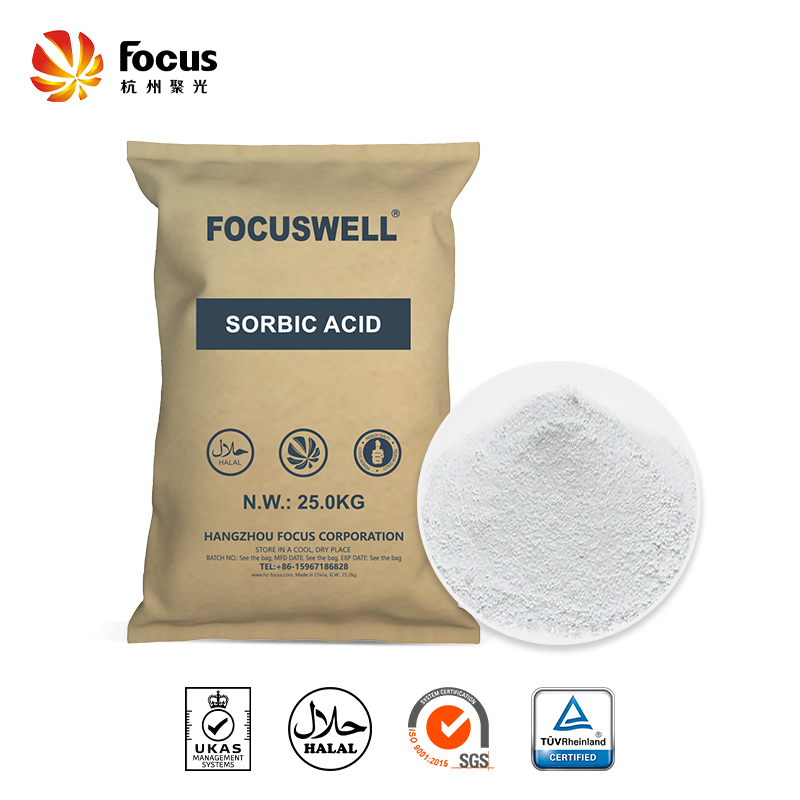
Sorbic acid is a naturally occurring compound that belongs to the class of organic acids known as carboxylic acids. It is a white, crystalline powder with a slightly acidic taste and is often used as a food preservative due to its antimicrobial properties. The chemical formula for sorbic acid is C6H8O2. Sorbic acid can be found naturally in some fruits, such as mountain ash berries, and is also produced synthetically for various commercial applications.
Sorbic acid was isolated in 1859 by distillation of rowanberry oil by A. W. von Hofmann. This affords parasorbic acid, the lactone of sorbic acid, which he converted to sorbic acid by hydrolysis. Its antimicrobial activities were discovered in the late 1930s and 1940s, and it became commercially available in the late 1940s and 1950s. Beginning in the 1980s, sorbic acid and its salts were used as inhibitors of Clostridium botulinum in meat products to replace the use of nitrites, which can produce carcinogenic nitrosamines.
What is the application of sorbic acid?
It is commonly used as a preservative in food and beverage products to inhibit the growth of fungi, yeast, and mold. It is particularly effective against the growth of certain bacteria and is used to extend the shelf life of many food items, including baked goods, cheeses, wines, and fruit juices.
What are the differences between sorbic acid and benzoic acid ?
Sorbic acid and benzoic acid are both food preservatives used to inhibit the growth of microorganisms and extend the shelf life of various products.
However,sorbic acid is derived from natural sources, primarily the berries of the mountain ash tree (Sorbus aucuparia). It can also be produced synthetically. Benzoic acid occurs naturally in certain fruits, such as cranberries, plums, and prunes, but the majority of benzoic acid used commercially is synthesized from toluene or benzene.
Sorbic acid and benzoic acid have different regulatory status and maximum usage levels in various regions. The permitted usage levels may vary depending on the specific food or beverage application and the applicable regulations in different countries.
How to use sorbic acid in food industry?
The primary application of sorbic acid is as a preservative to extend the shelf life. Sorbic acid inhibits the growth of mold, yeast, and certain bacteria, making it effective in preventing spoilage in a wide range of food products, including baked goods, dairy products, processed meats, sauces, dressings, and beverages.
For Bakery Products
Sorbic acid is commonly used in bread, cakes, pastries, and other baked goods to prevent mold growth and prolong their freshness.
For Cheese and Dairy Products
It helps prevent the growth of spoilage organisms in cheese and other dairy products, thereby extending their shelf life.
For Beverages
Sorbic acid is used in various beverages, such as fruit juices, soft drinks, and wine, to inhibit the growth of yeast and molds that can cause fermentation or spoilage.
For Jams and Jellies
It is added to jams, jellies, and fruit preserves to prevent the growth of yeast and mold and to maintain their quality over an extended period.
Other related:
3.What Can You Make with Yeast besides Bread | Hz-Focus
5.What are the types of yeast, don't use the wrong yeast
6.How to Activate Instant Dry Yeast?