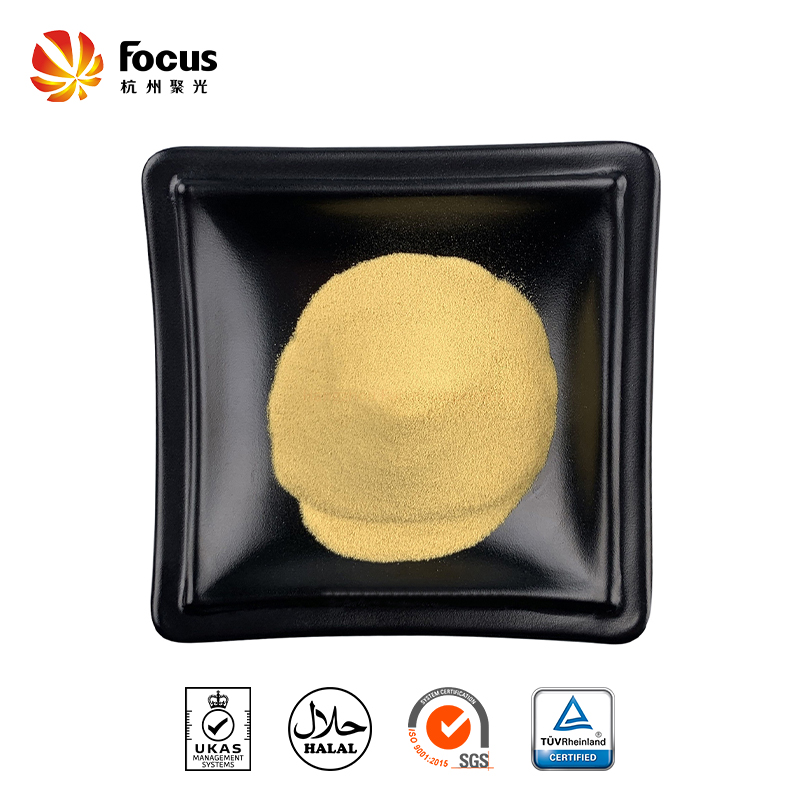
Product - Yeast Extract: everything you need to know
Yeast extract is a nutrient-rich substance extracted from yeast. It is like a nutritional treasure house, rich in protein, amino acids, vitamin B complex, minerals and antioxidants. These ingredients are very beneficial to our bodies and help us stay healthy, energetic and beautiful.
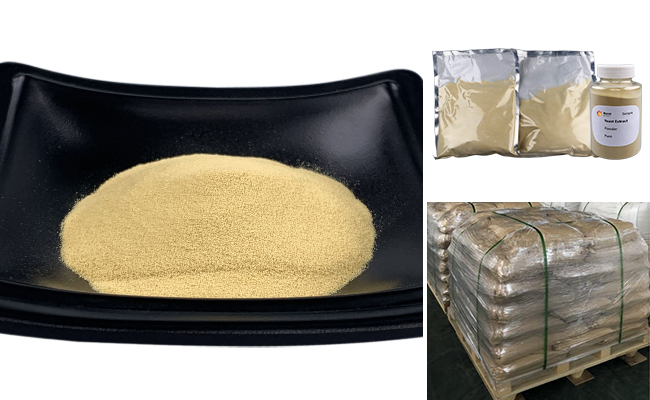
Here’s how yeast extract is produced:
Step 1 – Fermentation:
Baker's yeast and brewer's yeast are living organisms of the fungus family. During baking, sugars are added to the dough and their properties are taken advantage of as it rises in a warm place. The first step in yeast extract is fermentation, which follows the same principle: sugar is added to nourish the yeast. A temperature of 30 degrees Celsius and plenty of oxygen are delivered to a large container (fermenter) so that the yeast can grow optimally. The yeast is then concentrated and washed in a centrifuge to remove residual sugar. The result is a thick, creamy yeast mass.
Step 2 – Breakage:
Place the yeast in a large jar at a temperature of 45-55 degrees Celsius. Yeast stops growing at about 40 degrees Celsius, where enzymes break down proteins and other large molecules in yeast into smaller molecules. The cell walls of yeast cells are also partially broken down. This allows the smaller molecules to now leave the yeast cells and mix with the water solution in the tank. This process can be controlled by a variety of factors, such as how long the yeast remains in the tank as well as the temperature, which can have a significant impact on the future flavor of the yeast extract. The product produced by this process is a liquid that tastes like broth and has an amino acid profile very similar to cooked broth.
Step 3 – Centrifuge:
To produce the final yeast extract, the liquid is now simply centrifuged to remove the yeast cell walls. Valuable proteins, amino acids, vitamins and minerals from the yeast cells are still present in yeast extract. Simply put, yeast extract contains all the natural components of yeast cells without the surrounding cell wall.
Step 4 – Evaporation and Condensation:
Yeast extract is concentrated into a paste or liquid during a gentle evaporation process at around 60 degrees Celsius.
Step 5 – Drying:
Depending on its intended use, liquid yeast extract can be dried and turned into a powder. Pour the liquid into a spray dryer and dry using hot air. This evaporates the water, causing the dry extract to fall and collect at the bottom of the tower.
Yeast extract mainly contains the following ingredients:
Protein: Provides nutritional and functional properties.
Amino acids: As the building blocks of protein, they are vital to human health.
Vitamins: especially vitamin B complex, such as riboflavin, niacin, pantothenic acid, etc.
Minerals: such as calcium, magnesium, zinc, etc., are essential for the normal functioning of the body.
Antioxidants: such as glutathione, etc., help fight against free radical damage to the body.
These ingredients make yeast extract have a wide range of applications and benefits in the fields of food, health products and cosmetics. Although yeast extract does not contain any animal ingredients, it tastes similar to broth. This is because there are many amino acids that have the same flavor present in both yeast extract and broth.
Yeast extract uses in various industries:
- Food and Beverage Industry:
- **Bread and Dough**: Yeast extract can add nutrients to bread and dough, making your breakfast more delicious and nutritious
- **Sauces and Soups**: Adding yeast extract can enhance the nutritional value of sauces and soups. It can be used in refined sauces, broths, soups, meat dishes, ready-to-eat meals and savory snacks.
- Health care products industry:
- **Nutritional supplements**: Yeast extract is widely used as a nutritional supplement because it is rich in protein, vitamins and minerals and can be used to make many types of nutritional supplements.
- **Vitamin tablets**: Yeast extract can be used to produce vitamin tablets to provide nutrients such as vitamin B complex.
- Cosmetics industry:
- **Skin care products**: Yeast extract is rich in natural moisturizing factors and amino acids, which can help the skin lock in moisture, increase the skin's moisture content, and make the skin look plumper and shiny. Antioxidants such as polyphenols in yeast extract can help neutralize free radicals, slow down the aging process of the skin, and fight against skin damage caused by environmental stress and pollution. Yeast extract is also often used as a thickening agent in skin care products to help adjust the texture and consistency of the product and enhance the use experience.
- Agriculture:
- **Animal Feed**: As an additive to animal feed, yeast extract can increase the protein and mineral intake of animals and promote animal growth and health.
- Biotech and Pharmaceutical Industry**:
- **Biologics**: Yeast extract is used in the field of biotechnology to produce various types of biologics, such as enzymes and other bioactive substances.
- **Pharmaceutical Products**: In the pharmaceutical industry, yeast extract can be used to produce antibiotics, vitamins and other pharmaceutical products.
These application areas demonstrate the wide range of uses of yeast extract as a versatile ingredient whose nutritional value and other beneficial properties make it important in different industries.
Established in 2011, with 2 self-owned factories in 2015, Hangzhou Focus Corporation specializes in manufacture and trade of various kinds of food additives, including yeast extract.Till now, we have built long-term relationship with our customers from over 120 countries. We shall provide you product and service of high quality just as we have done before. We sincerely look forward to working with you to create a better future!Other related:
1.What is Yeast Extract Used for? | Focus
2.Instant Dry Yeast vs Active Dry Yeast: What’s the Difference?
3.List: Top 10 Yeast Companies in world(Updated 2024) | Focus
4.Role of Yeast in Beer, Wine, and Bread Production
5.What are the types of yeast, don't use the wrong yeast
6.How to Activate Instant Dry Yeast?
8.The Best 6 Methods for Storing Yeast