XANTHAN GUM-Applications, Side Effects, and Substitutes | Focus
Introduce:
Xanthan gum is a sugar usually produced from corn starch. Xanthan gum is a white or light yellow powder. Xanthan gum can improve the texture, consistency, flavor, shelf life and appearance of many foods. Xanthan gum can improve the texture, consistency, flavor, shelf life and appearance of many foods. Due to its special macromolecule structure and colloidal properties, it has many It can be used as emulsifier, stabilizer, gel thickener, wetting agent, film forming agent, etc. Xanthan gum is easily soluble in cold and hot water, the solution is neutral, and it is resistant to freezing and thawing. Xanthan gum disperses and emulsifies when exposed to water and becomes a stable hydrophilic viscous colloid.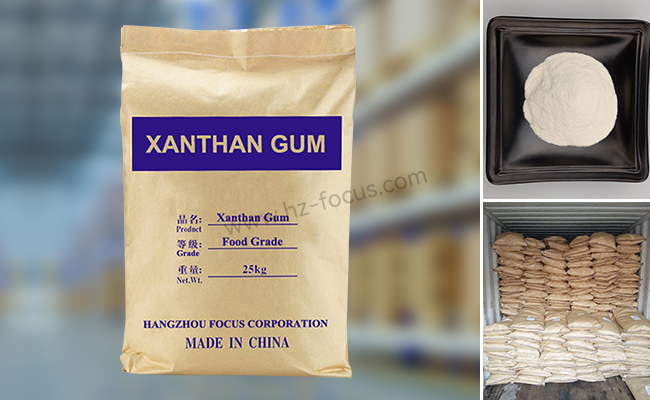
Suspending and emulsifying properties:
Xanthan gum acts like a super glue that keeps small particles and oil droplets in food in liquid. This is because xanthan gum molecules can be tightly connected together like spirals, like a soft but strong net, which can support solid particles, liquid droplets and bubbles, keeping them in the food without separation. Shows strong emulsion stabilization and high suspending ability.
water solubility:
Xanthan gum can dissolve quickly in water and has good water solubility. Especially it can also be dissolved in cold water, which can save complicated processing and is easy to use. However, because it is extremely hydrophilic, if a small amount of water is added directly and the stirring is insufficient, the outer layer will absorb water and swell into micelles, which will prevent water from entering the inner layer and affect the performance of the function. Therefore, care must be taken to use it correctly. Mix xanthan gum dry powder or dry powder accessories such as salt and sugar evenly, then slowly add it to the stirring water to make a solution for use.
Thickening:
Another magical feature of xanthan gum is that its solution looks like water, but when its concentration is very low, it is very viscous. It's like a drop of water, but a hundred times thicker than ordinary glue. This makes it a very effective thickener, making food thicker.
Xanthan Gum Uses:
Xanthan gum is a commonly used thickener and emulsifier found in the food industry, pharmaceutical and cosmetic industries.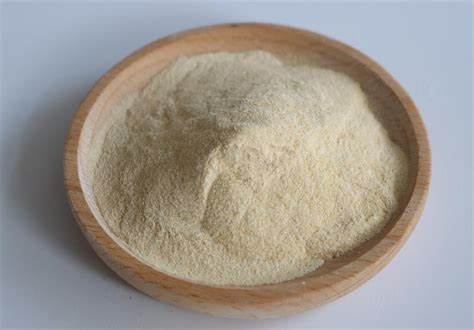
Food industry:
Xanthan gum is commonly used in food processing as a thickener and stabilizer. Xanthan gum can be used in beverages; bread, dairy products, meat products, jams, jelly, colorful sauces, noodles, pastries, biscuits, shortening, instant coffee, fish products, ice cream, popsicles, and ice cream.
(1) Xanthan gum is used in baked goods (breads, cakes, etc.) to improve the water retention and softness of baked goods during baking and storage, thereby improving the taste and extending the shelf life of baked goods;
(2) Xanthan gum plays a role in tenderizing and improving water holding capacity in meat products;
(3) It has the function of thickening and stabilizing food structure in frozen food;
(4) Adding xanthan gum to jam can improve the taste and water retention, and improve the quality of the product;
(5) When used in beverages, it can thicken and suspend, making the taste smooth and the flavor natural;
(6) The use of xanthan gum (combined with guar gum and locust bean gum) in ice cream and dairy products can make the products stable;
(7) Xanthan gum, carrageenan, locust bean gum, etc. are also commonly used in jelly and candy processing.
Pharmaceutical industry:
Xanthan gum is widely used as a stabilizer and thickener in pharmaceutical preparations.
- Often used as a coating material for capsules
- As a polysaccharide, xanthan gum can act as a stabilizer in oral liquids. It helps maintain the uniformity and stability of oral liquids and ensures the effectiveness and safety of drugs.
- In pharmaceutical preparations such as ointments, xanthan gum is often used as a thickener. This helps make the ointment more uniform in texture, easier to apply, and provides better adhesion.
- In preparations such as eye drops, xanthan gum can also be used as an emulsifier to help make the oil-water mixture in the solution more stable.
- If you have needs please contact us
Cosmetic industry:
Xanthan gum is a common colloid that is often used as a thickener, emulsifier and stabilizer. Its characteristics include good water solubility and stability to temperature changes, which make it versatile in cosmetics.
Lotions and Creams: Xanthan gum is often used in lotions and creams to increase their viscosity and texture, making the product easier to apply and absorb.
Gels and Gels: In gels and gels, xanthan gum can thicken and coagulate, giving it the desired firmness and texture.
Shampoos and Conditioners: Xanthan gum is also commonly found in shampoos and conditioners to thicken the product and improve its spreadability, while also helping to keep hair moisturized.
Cosmetic base: In cosmetic base, xanthan gum can help adjust the texture of the product and evenly distribute pigments, making the makeup more even and lasting.
Sunscreens and Moisturizers: Xanthan gum is also commonly used in sunscreens and moisturizers to provide better texture and spreadability while helping to stabilize other ingredients.
Xanthan Gum Side Effects:
1.Some people may need to avoid or limit xanthan gum
While xanthan gum is safe for most people, there are a few people who should avoid using it.
People with severe allergies to wheat, corn, soy, or dairy products
Xanthan gum is derived from sugar. Sugar can come from many different places, including wheat, corn, soy, and dairy.
If you are allergic to these foods, you may want to avoid foods containing xanthan gum unless you identify the source of xanthan gum
2.premature baby
For premature infants, xanthan gum may be added as a thickening agent to premature infant milk powder and breast milk. Sometimes this leads to necrotizing enterocolitis, a serious disease in which the intestines become inflamed, injured, and eventually die.
While xanthan gum is generally fine for adults, it’s best not to be used on babies because their intestines are still developing.
3.People taking certain medications or planning surgery
If you take certain medications or have surgery, be aware that xanthan gum can lower blood sugar. This can be dangerous for people taking some diabetes medications, as well as for people preparing for surgery.
These people can eat some foods containing xanthan gum, but they should avoid eating large amounts until the effects of xanthan gum on blood sugar are better understood.

5 Best Xanthan Gum Substitutes:
1.Carrageenan:
Carrageenan is a natural polysaccharide extracted from the sap of the carrageenan tree. It is mainly composed of galactose and hemimannose. In the food industry, carrageenan can be used as a substitute for xanthan gum, especially in dairy products and ice cream, where it can provide good thickening and emulsifying properties.
Usually used in the following places:
- Kitchen: used when making jelly, ice cream, bread and cakes.
- Seasoning: Sometimes it is placed in salad dressing and tomato sauce.
- Dairy products: For example, a little may be added to milkshakes, yogurt and cheese.
When using carrageenan, please pay attention to:
- Weighing: Accurately weigh the required carrageenan according to the recipe or product formula.
- Dissolve: Slowly sprinkle the carrageenan into the liquid and wait for it to completely dissolve while stirring.
- Stir: Make sure that the carrageenan and other things are stirred evenly.
- Heating (sometimes required): If necessary, heat the mixture to a certain temperature, so that the effect of carrageenan will be better.
- If you have needs please contact us
2.Tapioca starch:
Tapioca starch is a starch extracted from cassava roots and is often used to replace xanthan gum in food processing. It is particularly suitable for condiments and quick-frozen foods, which require appropriate heat treatment for optimal thickening and gelling. Usually used in the following situations:
Condiments: Tapioca starch is commonly used in the preparation of various condiments, including sauces, salad dressings and other condiments to thicken and improve taste.
Quick-frozen foods: In fillings for products such as quick-frozen dumplings, tapioca starch can be used to increase the viscosity of the filling, making it easier to wrap and process. In the preparation of quick-frozen sauces, tapioca starch can be used to thicken, improve taste and maintain consistency.
3.Agar:
Agar is a natural gelling agent extracted from seaweed, mainly composed of galactose and glucose. It is often used to make jelly and desserts. It needs to be fully dissolved in hot water and then cooled to form a gel. Here are its uses in these foods:
- Make jelly-dissolved agar: First, you need to fully dissolve agar powder or flake agar in warm water, usually according to the instructions on the package. Add the desired juice or sugar water to the dissolved agar and mix well. Pour the mixture into the mold and place it in the refrigerator or freezer until the agar solidifies into a jelly-like shape.
- Making desserts: You also need to dissolve the agar in warm water to ensure it is completely dissolved. Mix the dissolved agar with other ingredients required for the dessert (such as puree, cream, etc.). Pour the mixture into the mold and place it in the refrigerator or freezer to wait for the agar to set and give the dessert the desired texture and shape.
Overall, agar acts as a gelling agent to give jellies and desserts the desired firmness and mouthfeel.
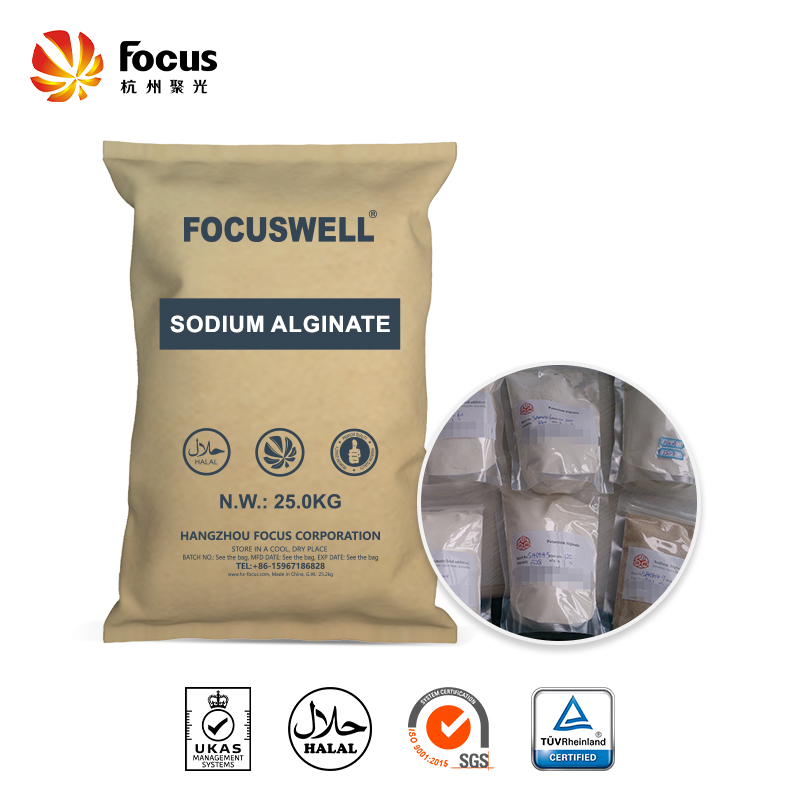
4.Sodium alginate:
Sodium alginate is a natural polysaccharide extracted from seaweed, mainly composed of glucose and galactose. It can replace xanthan gum in food processing and pharmaceutical formulations and is commonly found in various dairy products and oral formulations, providing similar gelling and stabilizing properties. When sodium alginate is added to dairy products, such as smoothies or yogurt, it can help make them smoother. In ice cream, sodium alginate makes the ice cream taste better and helps control its texture. In oral liquids or capsules, sodium alginate can help the drug remain stable, and in oral emulsions, it can help mix fat and water more evenly, improving the stability and taste of oral emulsions. In general, the role of sodium alginate in food and medicine is to help adjust the taste, texture and stability of the product, making the product more delicious or easier to take.
5.Gum Arabic:
Gum Arabic is a natural gum extracted from the sap of the gum Arabic tree. It is mainly composed of arabic acid and galactolysis. In the food industry, gum arabic is often used as a substitute for xanthan gum, especially in beverages and confectionery, where it can provide stable emulsification and thickening effects.
Applied to beverages:
Fruit juice drinks: Gum arabic can be used as a stabilizer to help the solid particles in the juice be suspended evenly and prevent sedimentation.
Carbonated drinks: In carbonated drinks, gum arabic can be used as an emulsifier and stabilizer to help maintain the taste of the drink and prevent the bubbles from dissipating too quickly.
Used in candy
Gummies: Gum Arabic can be used as a coagulant to help gummies maintain a soft texture.
Candy Coatings: In the sugar coatings of some candies, gum arabic acts as a thickener and emulsifier, helping to form a uniform syrup coating.
Chewing gum: Gum arabic can be used as the base colloid of chewing gum to help it maintain elasticity and taste.
Where to Buy Xanthan gum in Bulk?
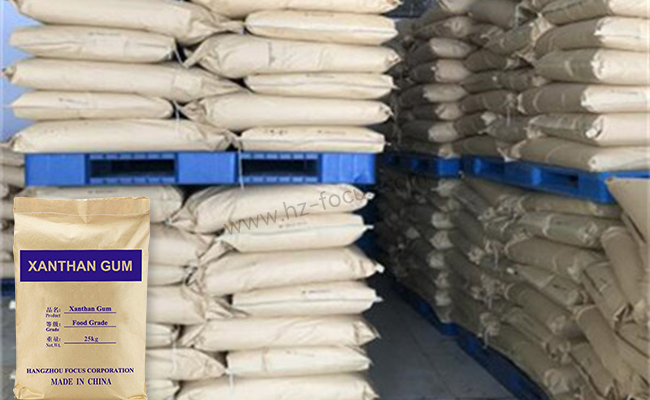
- Xanthan gum is a commonly used food additive and ingredient popular in many countries. As a professional Xanthan gum supplier and manufacturer, Hangzhou Focus Corporation has nearly 10 years of experience in supplying and exporting Xanthan gum from China. You can safely choose to buy Xanthan gum from Hangzhou Focus Corporation. If you have any questions or concerns, please feel free to contact us and we will get back to you within 1 business day.
- If you have needs please contact us
- Established in 2011, with 2 self-owned factories in 2015, Hangzhou Focus Corporation specializes in manufacture and trade of various kinds of food additives, including Xanthan gum .We offer wholesale prices for bulk purchases, even for small quantities, and offer a free sample to potential customers.
- If you have needs please contact us
Other related:
2.What is Bread Improver? Enhancing the Art of Bread Making
3.What Can You Make with Yeast besides Bread | Hz-Focus
4.Is Dry Yeast Good for Health? - Hz-Focus
5.Bread Improver Substitutes | What Methods Can I Use