Instant Dry Yeast vs Active Dry Yeast, there are differences.
I've been baking and buying yeast for years, and the yeast options in the baking aisle still confuse me. Here's the thing, though: there's a difference. Which one you use can really make a difference in your recipe.If you have needs please contact us
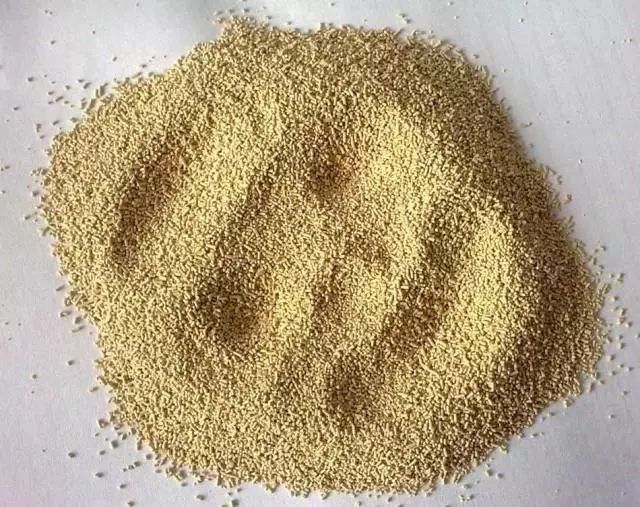
The difference between active dry yeast and instant yeast
Both active dry and instant yeast help leaven bread and provide an airy, light texture, but they do it in slightly different ways, and there is one major difference in the way they are used: active dry yeast needs to be dissolved in water before use, while Instant yeast can be mixed directly into dry ingredients.
Here's everything you need to know about these yeasts, including how to swap one for another.
If you have needs please contact us
Active Dry Yeast
This is probably what comes to mind when you think of yeast—it's the most common variety sold in grocery stores. It is a granulated dry yeast with a consistency similar to cornmeal. It is a living organism that lies dormant until fermented, or dissolved in a small amount of warm water (about 110°F). It is then added to the rest of the ingredients, allowing the dough to rise.
Active dry yeast is usually sold in individual packages (pictured above) or in small glass jars. If using the latter, make sure to refrigerate after opening to keep the yeast fresh and active.
If you have needs please contact us
Instant Yeast
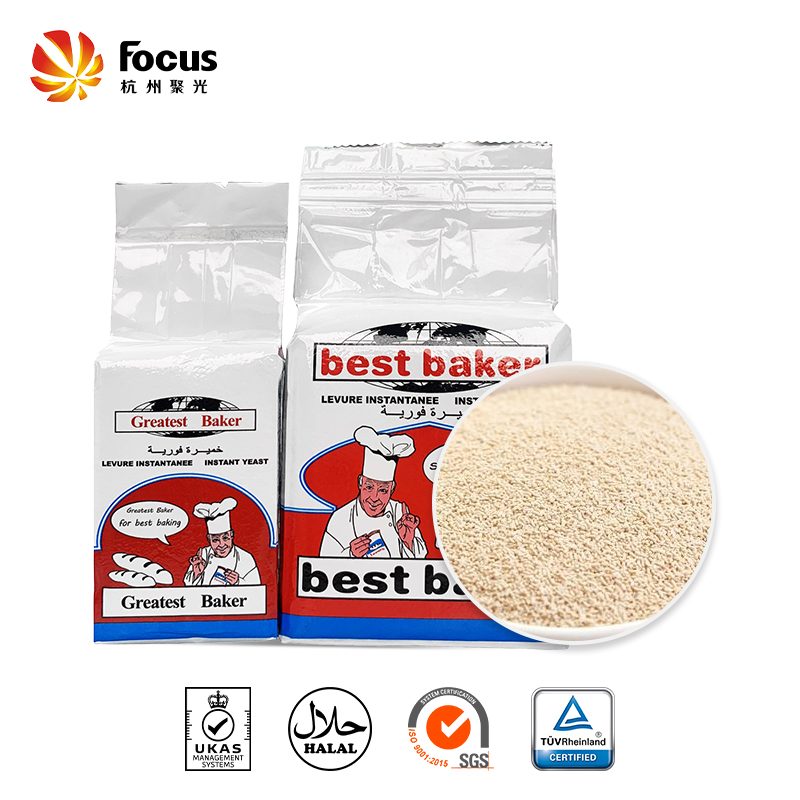
Instant yeast is another type of dry yeast that was introduced after active dry yeast in the 1970s. It's made using a similar process to active dry yeast, though it's dried faster and ground into finer particles. Therefore, it dissolves and activates more quickly. Unlike active dry yeast, instant yeast doesn't have to be fermented first; it can be mixed directly into dry ingredients with the same effect. This yeast also gives you two separate rises.If you have needs please contact us
Fast-fermenting or Rapid-fermenting Yeast
Instant yeast may also be marketed and sold as fast or rapid-rise yeast. This yeast is also ground into smaller particles, so it doesn't need to be dissolved in water. Also, enzymes and other additives are included to allow the dough to rise faster. With this yeast, you can skip the first rise of the dough and shape the bread right after kneading. As the name suggests, this type of yeast is great for quick baking projects and reduces the extra time needed for multiple fermentations.If you have needs please contact us
What type of yeast should I use?
This part is really up to you. While each type of yeast responds differently and produces slightly different baked goods, there is no one right answer. I recommend picking a yeast, becoming familiar with it, and using it in everything - unless the recipe gives a specific reason otherwise. The good news is that you can make any recipe that calls for yeast, as long as you have some variety on hand, it doesn't matter what specific type it needsIf you have needs please contact us
How do you use instant yeast instead of active dry yeast?
Active dry yeast and instant yeast are often used interchangeably, one for one (although active dry yeast may rise more slowly). So if a recipe calls for instant yeast and you use active dry yeast instead, you may want to consider adding an extra 10 to 15 minutes to the rise time. If the recipe calls for active drying and using instant, reduce rise time by 10 to 15 minutes. Other than that, the recipe can stay the same without any changes.
What is your favorite yeast to use? Let us know in the comments.
Where to Buy Instant Dry Yeast in Bulk?
- If you have needs please contact us
- Established in 2011, with 2 self-owned factories in 2015, Hangzhou Focus Corporation specializes in manufacture and trade of various kinds of food additives, including Instant Dry Yeast .We offer wholesale prices for bulk purchases, even for small quantities, and offer a free sample to potential customers.
- If you have needs please contact us
Other related:
1.List: Top 10 Yeast Companies in world(Updated 2024) | Focus
2.Instant Dry Yeast vs Active Dry Yeast: What’s the Difference?
3.Bread Improver Substitutes | What Methods Can I Use ?
4.Role of Yeast in Beer, Wine, and Bread Production
5.What are the types of yeast, don't use the wrong yeast
6.How to Activate Instant Dry Yeast?
8.The Best 6 Methods for Storing Yeast