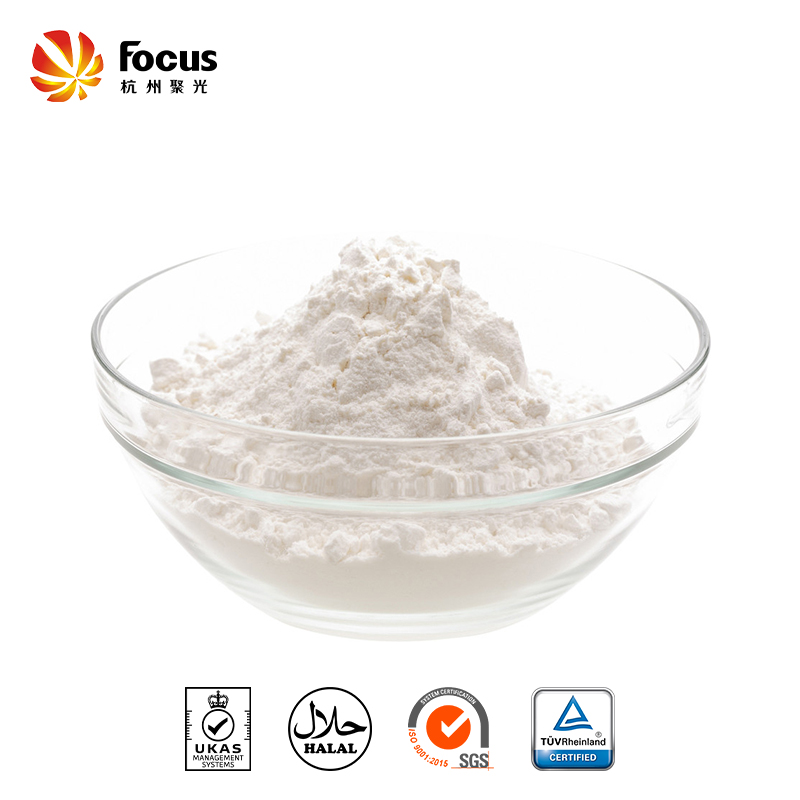
What are the Types of Yeast, Don't Use the Wrong Yeast
After reading this article, don't use the wrong yeast again!
Every raw material in baking is worthy of our serious treatment, and the yeast responsible for fermenting and improving dough is more worthy of in-depth research.
In fact, humans have used yeast fermentation for more than 4,000 years. For example, the ancient Egyptians who built the pyramids used fermented bread as their staple food, and the ancient Chinese used koji to brew fine wine...
It was not known at the time that yeasts played an important role.
Until the 17th century, Dutch scientist Leeuwenhoek discovered yeast through a microscope, which opened the history of human science using yeast. With the rapid development of science and technology and the improvement of the quality of life, a small yeast has changed our life.
Let's explore together today
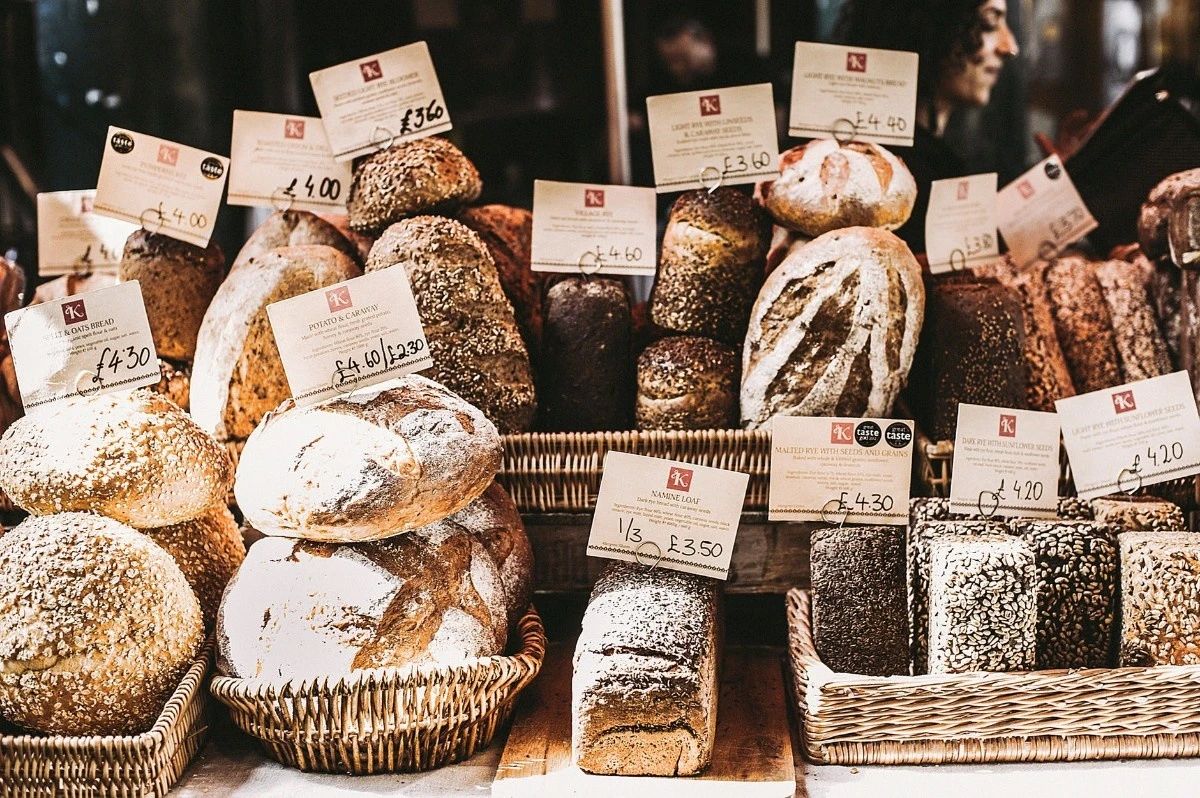
- 1.What is Yeast
Yeast is a tiny single-celled microorganism invisible to the naked eye. 1lb (454g) compressed yeast contains about 15 trillion yeasts. It ferments sugar into alcohol and carbon dioxide. It is distributed throughout nature and is a facultative anaerobic microorganism. , can survive under both aerobic and anaerobic conditions, and is also a natural leavening agent.
2.Industrial Yeast
a)Fresh Yeast
Commonly known as squeezed yeast, is a dry solid composed of yeast cells with strong vitality, with a water content of 71%-73%. production.
Features:
(1) The price of fresh yeast is relatively cheap.
(2) Fresh yeast has good freeze resistance. Since temperature has a great influence on the storage stability of yeast, it is more suitable for dough that needs to be frozen.
(3) Fresh yeast has strong fermentation power.
(4) Fresh yeast has better water solubility and can be distributed more evenly in the dough.
(5) Fresh yeast has strong resistance to substances that hinder fermentation.
(6) The shelf life of fresh yeast is short, and the storage conditions are relatively strict. Usually, the storage period is 3-4 weeks, and it must be stored in a refrigerator at about 3°C.
Due to the short storage period of fresh yeast, its activity will also be reduced to a certain extent. Normally, the amount of yeast used in one week is about 1%, the amount of yeast used in two weeks is 1.5%, and the amount of yeast used in three weeks is about 2%; (that is, the amount of yeast used will increase with time, so that Fully guarantee the fermentation strength of the yeast).
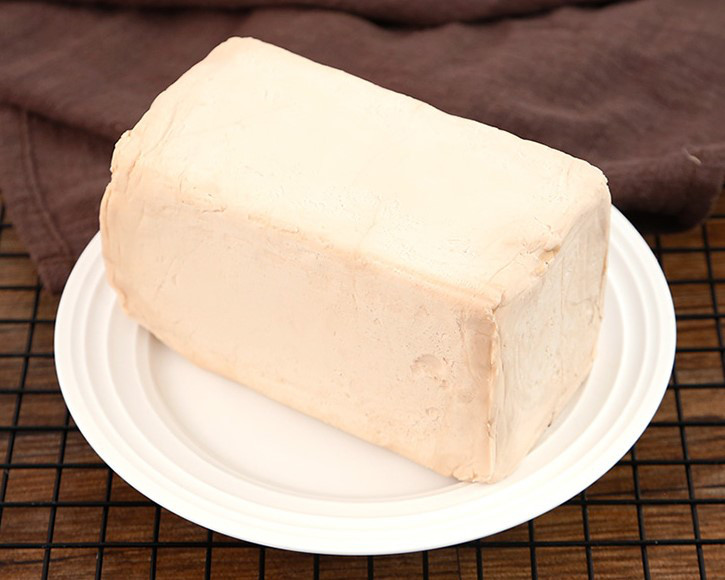
- b)Dry Yeast
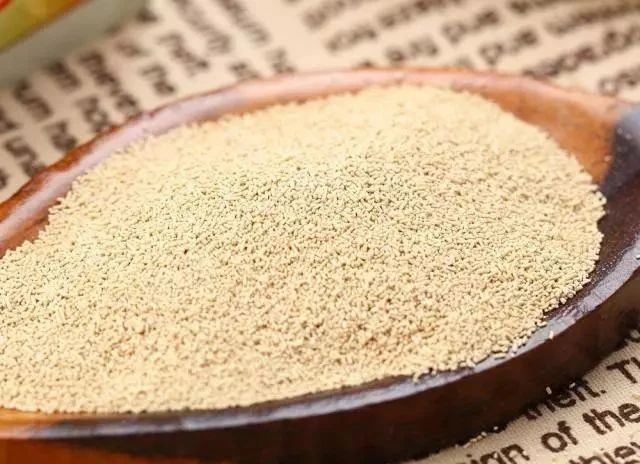
Dry yeast is a kind of pressed yeast with strong vitality. It is dried bacteria body obtained after low temperature dehydration, with a moisture content of 7%-8.5%.
Features:
(1) The amount of dry yeast used is relatively stable and the fermentation power is high.
(2) The storage period of dry yeast is long, and the shelf life is not less than 6 months.
(3) The price of dry yeast is relatively high.
Although the storage time of dry yeast is longer, it needs to be fused with 30°C water for about 10-15 minutes before use, so as to wake up the activity of yeast, which will waste a certain amount of time and increase the work process in operation. Relatively speaking, the older generation of bakers mostly use dry yeast.
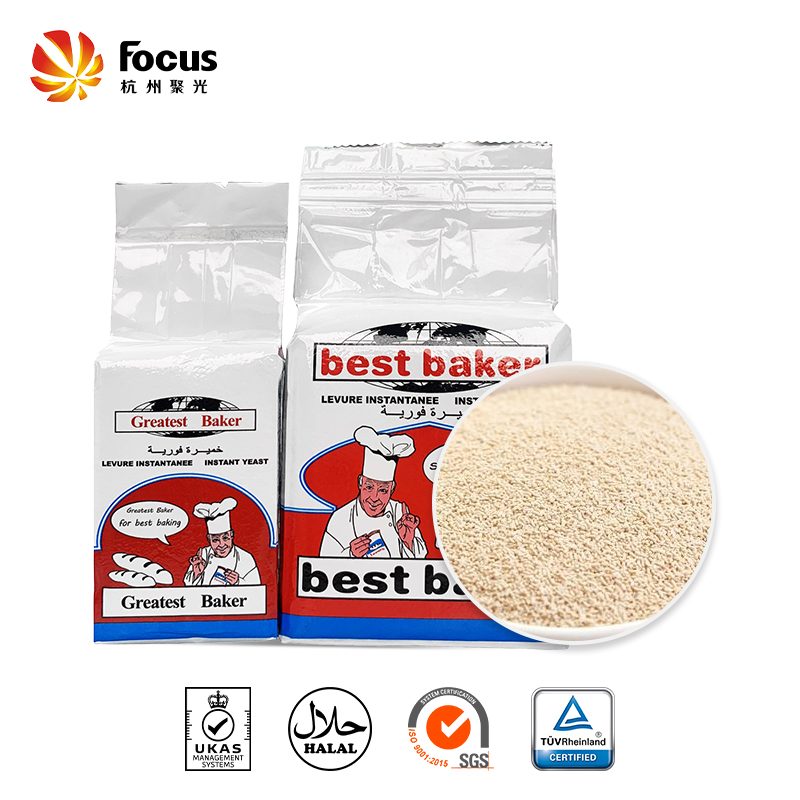
- c)Instant Dry Yeast
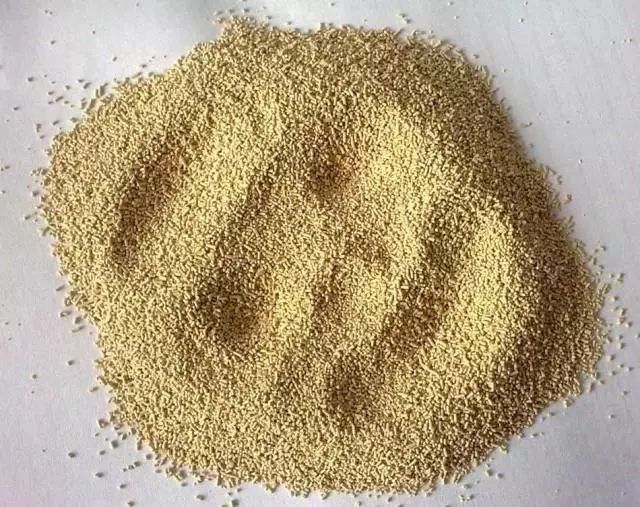
Instant dry yeast is the same variety as dry yeast, which is improved by production technology and strain selection. Before use, it is necessary to wake up this troublesome process with water, so as to develop new products. Its shape is fine and uniform granules, with strong dissolving power and strong activity, and can quickly restore fermentation without prior activation.
Features:
(1) The usage is small, and the activity is particularly high.
(2) The shelf life is long, usually not less than 12 months.
(3) It is easy to use and does not need to be activated in advance.
(4) Low temperature storage is not required, just store in a cool, dry place below 20°C.
- d)High-sugar Dry Yeast, Low-sugar Dry Yeast
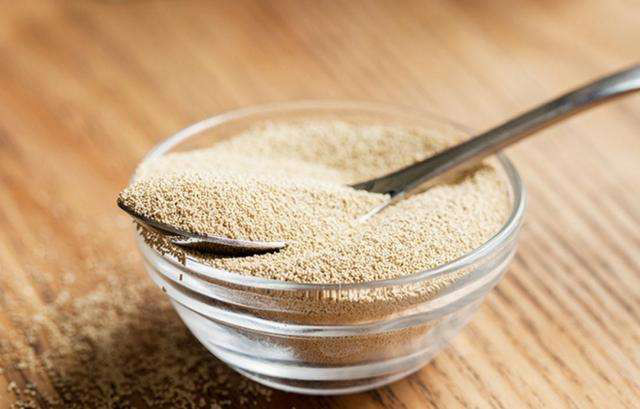
High-sugar dry yeast and low-sugar dry yeast are another form of instant dry yeast. Because sugar has a very strong osmotic pressure effect, once the amount of sugar is too much, it will destroy the yeast cell wall and kill the yeast. Therefore, according to the sugar content of the dough, it is divided into high-sugar dry yeast and low-sugar dry yeast.
Usually, if the proportion of dough in the recipe is above 7% (including 7%), we will choose high-sugar-tolerant dry yeast, and if the proportion of dough in the recipe is below 7%, we will choose low-sugar dry yeast.
There are two types of focus yeast, high and low sugar: low-sugar dry yeast for French bread with less sugar, and high-sugar dry yeast for sweet bread with high sugar.
- Q & A -
Can high-sugar dry yeast and low-sugar dry yeast be used interchangeably?
In fact, low-sugar dry yeast will increase the sugar content in high-sugar dough, which will slow down the fermentation speed and make the dough state worse. While the high-sugar dry yeast in the low-sugar dough, the fermentation speed will not change much compared with the low-sugar dry yeast, and it is relatively stable.
Therefore, high-sugar dry yeast can be applied to low-sugar dough, and low-sugar dry yeast is not suitable for high-sugar dough.
Note: It is not recommended to use the two kinds of yeasts to convert each other. For better bread taste and dough fermentation, it is best to use the corresponding yeast, so that more perfect bread can be made.
- 3.Natural yeast
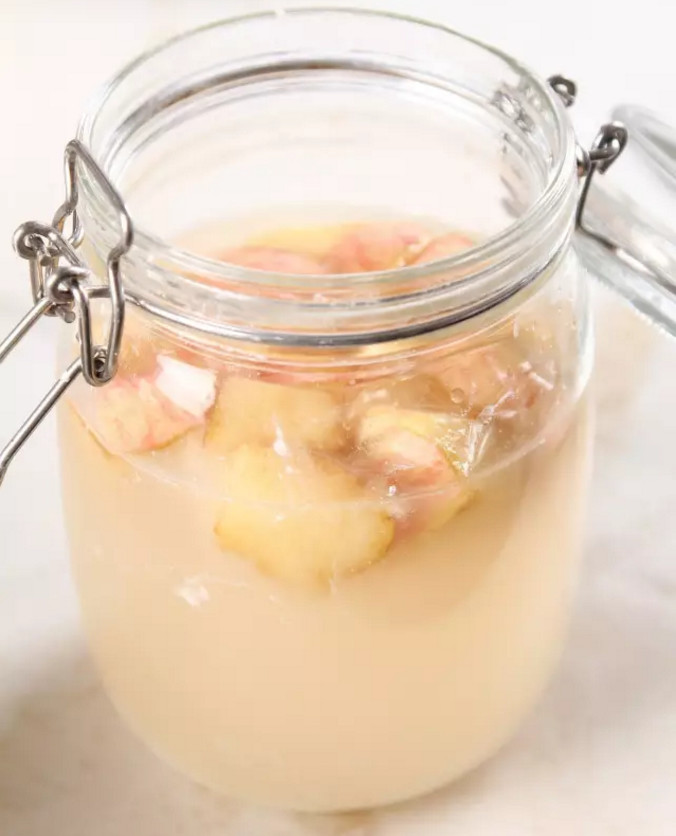
In fact, yeast is a microorganism that exists naturally in nature. There is no distinction between natural and artificial, but compared to commercially extracted yeast products, yeast extracted from natural fruits or grains are called wild yeasts. / Natural yeast (subsequent collectively referred to as natural yeast). This kind of yeast needs water and the corresponding necessary sugars. After several days, the yeast is allowed to multiply to make a yeast liquid. This kind of culture liquid and powder are mixed together to let it ferment, which is called natural yeast species.
Due to the use of various yeasts in nature, there are many mixed microorganisms (lactic acid bacteria, acetic acid bacteria, etc.) in the cultivation process to produce organic acids when making bread, which will make the bread have a unique personality and flavor; compared with using a single commercial Yeast, the bread using natural yeast ages slowly, but the fermentation power is weak and unstable, the fermentation time is long, it is not suitable for stable mass production, and it is not easy to operate in large quantities. Most shops dare not try it lightly, or do not use 100 % natural yeast to make bread.
What are the more common and commonly used natural yeasts?
- 1.Raisin Yeast Water
Main ingredients: raisins and water
Features: The fermentation ability is slightly weak, but it has a slightly sweet taste of raisins.
Scope of application: products with dried fruit.

- 2.Sourdough yeast (Luban species)
Main raw material: rye flour.
Features: Made by mixing water and rye flour, it has a unique sour taste and contains a high concentration of lactic acid bacteria.
Scope of application: The most famous is German rye bread.
- 3.Hop yeast
Main raw materials: hops and koji
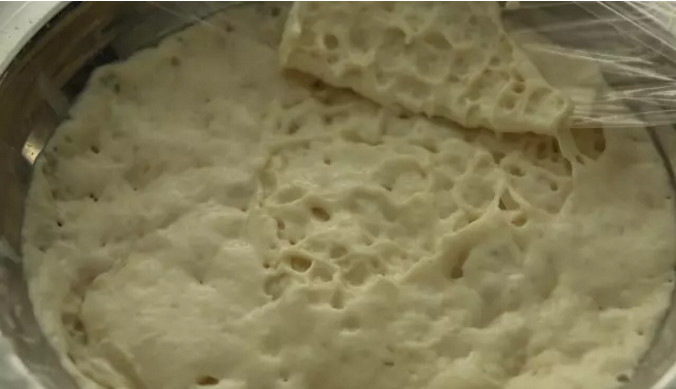
Features: The fermented species cultivated by adding potato and other starches to the cooking liquid of hops can make bread have antibacterial power, stable fermentation power, light white color, slightly bitter taste and plain flavor.
Scope of application: simple meal packages such as butter packages.
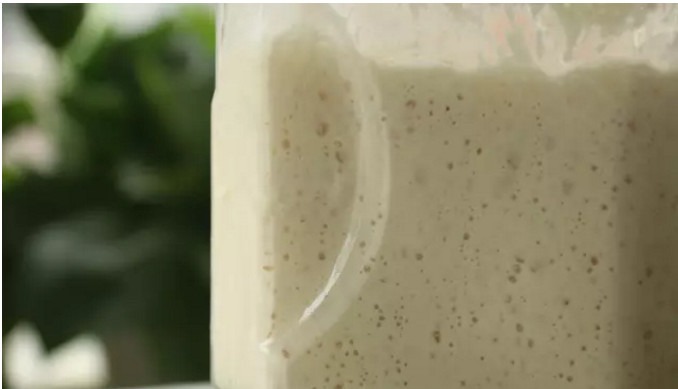
- 4.Fruit yeast
Ingredients: fruit and sugar
Features: The ripe fruit will increase the sweetness, the yeast on the peel will decompose the sugar, the fermentation ability is relatively weak, with a slight fruity aroma, sweet and sour.
Scope of application: mostly sweet bread.