What is Beta-Carotene?
Product introduction:
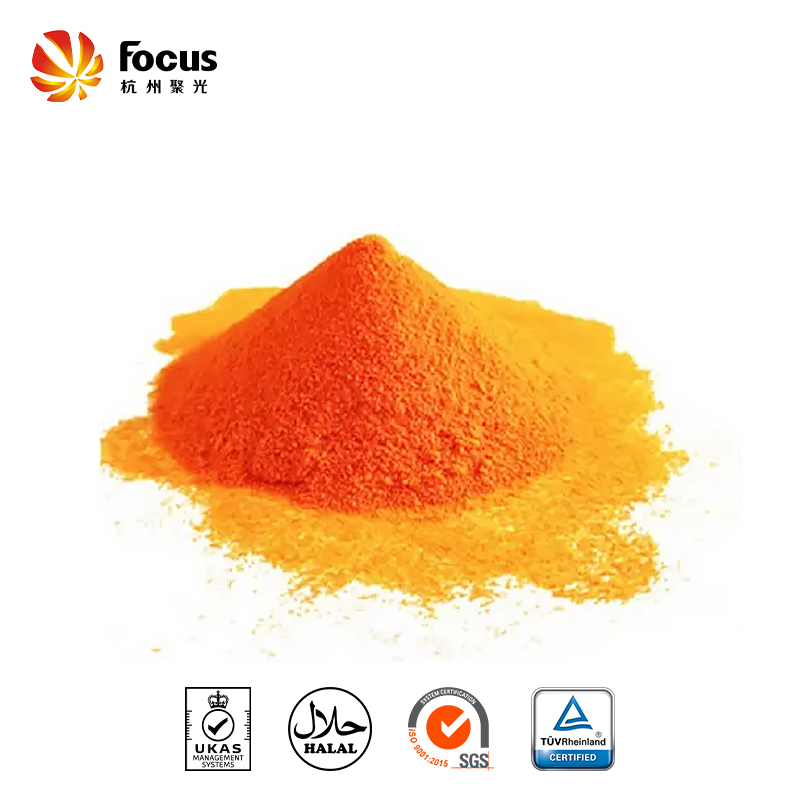
β-Carotene, one of the carotenoids, is an orange-yellow fat-soluble compound that is the most ubiquitous and stable natural pigment in nature. A member of the family of natural chemicals, it is abundant in plants, giving fruits and vegetables a rich yellow and orange color.
β-Carotene is widely used in the food industry, feed industry, pharmaceutical and cosmetics industry. The methods include natural extraction, chemical synthesis and microbial fermentation is often used to obtain β-carotene.
What is application of β-Carotene?
β-Carotene, a precursor to vitamin A, is abundant in plants and gives fruits and vegetables a rich color. Due to its coloring, antioxidant and nutrient enhancement functions, β-carotene is widely used in common foods and healthcare products.
β-Carotene as a food additive and nutritional fortifier has been recommended by the Joint Expert Committee on Food Additives of the Food and Agriculture Organization of the United Nations and the World Health Organization, and has been recognized as a Class A excellent nutritional pigment, and has been approved for application in 52 countries and regions in the world.
How is β-Carotene used as colorant?
β-carotene is used in various types of food with the role of colorants to give food color.
It has good coloring performance. Its coloring range is yellow and orange-red with strong coloring power, stable and uniform color. It is especially suitable for matching with children's food and can also be used for tablet sugar coating coloring.
β-carotene as a edible oil-soluble pigment, its own color due to the difference in concentration, can cover all colors from red to yellow, very suitable for the development of oily products and protein products, as edible orange pigment and nutritional fortifier.
How is β-Carotene usd as nutrition fortifier?
β-carotene is widely used in health food as a raw material for nutritional fortifiers.
Like other carotenoids, β-carotene is an antioxidant. Eating foods rich in β-carotene prevents the body from coming into contact with a type of damaging molecule called free radicals, which can cause damage to cells through the oxidation process.
At the same time, β-carotene is converted into vitamin A by the body when needed. If the body ingests too much vitamin A, it will cause poisoning. When the body needs it, β-carotene is converted into vitamin A, a feature that makes β-carotene a safe source of vitamin A.
β-Carotene usd as antioxidant?
β-carotene is an excellent antioxidant, it and vitamin E, vitamin C have a synergistic effect, their combination is called the "iron triangle" of antioxidants, has a strong antioxidant effect.
Adding β-carotene to cosmetics such as lipstick and rouge can make its color naturally plump, and can nourish and protect the skin.
What is the benefits of β-carotene?
Vital source of vitamin A. β-carotene, after ingestion into the human digestive organs, can be converted into vitamin A, is a safer product to supplement vitamin A. It can maintain the health of the eyes and skin, improve night blindness, rough skin, and help protect the body from free radical damage.
Antioxidant effect. The antioxidant properties of β-carotene are mainly manifested in its ability to scavenge free radicals. There is a large number of lipid peroxidation and free radical reactions in the organism, which leads to a decline in cell function, aging of the body, and the occurrence of diseases, and the presence of β-carotene can reduce lipid peroxidation.
Promotes intercellular junction communication. The gap junctions formed between cells allow cytoplasm to communicate with each other to regulate metabolic responses by exchanging small molecules. It is discovered that β-carotene and other carotenoids enhance the communication ability of intercellular junctions.