What is Nisin?
- ①Is nisin a natural food preservative?
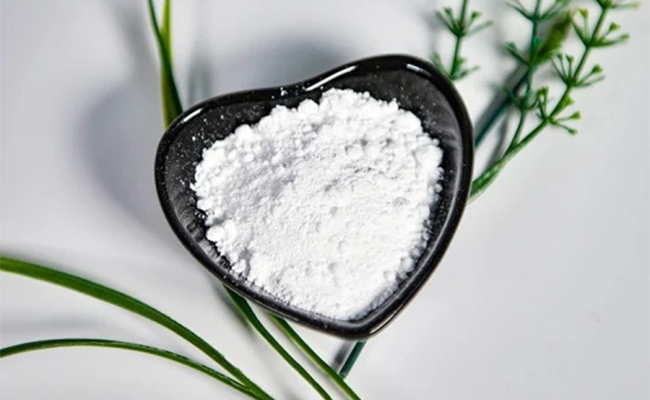
Nisin is a polypeptide produced by streptococcus lactis, composed of 34 amino acid residues. Because Nisin can inhibit most gram-positive bacteria and has a strong inhibitory effect on spores of Bacillus, it is widely used as a food preservative in the food industry. It is quickly hydrolyzed into amino acids after consumption, which will not change the normal flora in the intestine, and will not cross resistance with other antimicrobials. It is a natural food preservative with high efficiency, non-toxic, safe and no side effects.
- ②What is the suitable scope of pH value for Nisin usage?
The solubility of Nisin in water is pH-dependent. It is soluble up to 12% at pH 2.5, but decreasing to 4% at pH 5.0. Nisin is insoluble in water under neutral and alkaline conditions. When the PH value is 2, the heat resistance is good, and when the PH value is greater than 5, the heat resistance decreases. The stability of Nisin is also pH-dependent. When dissolved in skim milk with a pH of 6.5 and pasteurized at 85°C for 15 minutes, the activity of Nisin decreases by 15%. When dissolved in dilute hydrochloric acid with a pH of 3 and autoclaved at 121℃ for 15 minutes, the activity of Nisin remains at 100%, and its acid and heat resistance is excellent.
- ③What is Nisin's application range?
It can be widely used in meat products, dairy products, canned products, seafood, beverages, fruit juice drinks, liquid eggs and egg products, condiments, brewing technology, baked goods, convenience foods, aromatic spices, cosmetics and so on.
Other related:
1.Bread Improver Substitutes | What Methods Can I Use ?
2.Instant Dry Yeast vs Active Dry Yeast: What’s the Difference?
3.How Tea Polyphenols be Used in Our Daily Life?
4.Role of Yeast in Beer, Wine, and Bread Production
5.What are the types of yeast, don't use the wrong yeast