How Tea Polyphenols is Used in Our Daily Life?
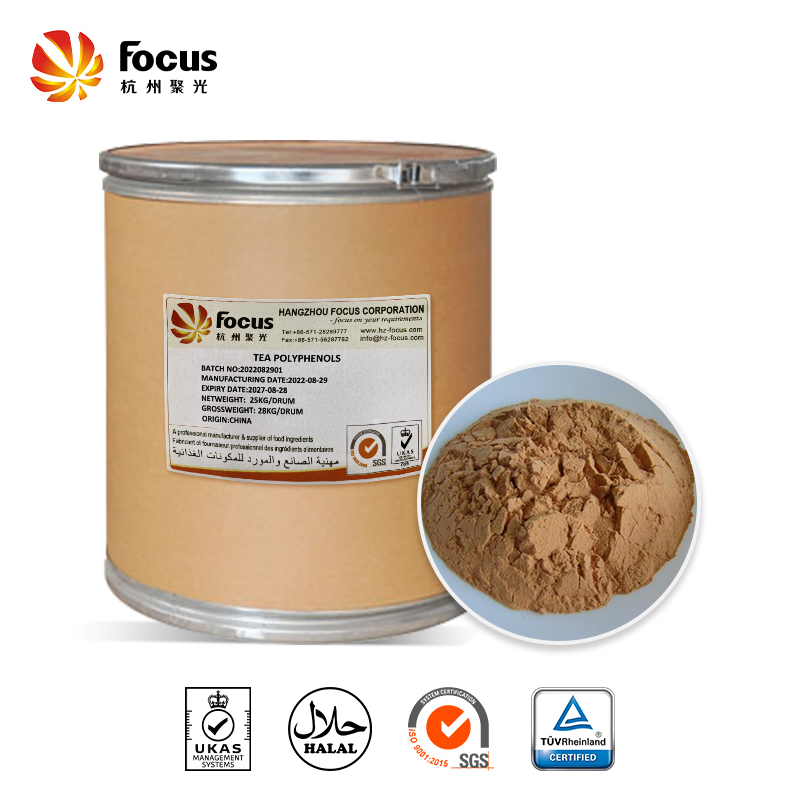
Tea polyphenols are all-natural antioxidant foods extracted from tea leaves, which have the characteristics of strong antioxidant capacity, no toxic side effects, and no peculiar smell. Tea polyphenols are light yellow to tea brown powder with a slight tea aroma, with astringent taste, easily soluble in water, ethanol, ethyl acetate, slightly soluble in oil. It has good heat resistance and acid resistance, and is very stable in the range of pH2~7. Slightly hygroscopic, the pH of the aqueous solution is 3~4.
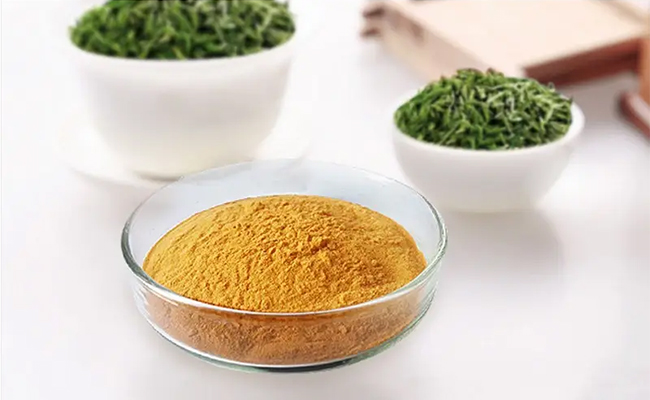
In fact, many functions of tea are due to the function of tea polyphenols in tea. Tea polyphenols can be used for food preservation and antisepsis, without toxic and side effects, safe to eat and better antiseptic effect when combined with phytic acid. Tea can be stored for a long time without deterioration, which is beyond the reach of other leaves, vegetable leaves, and flowers. Tea polyphenols are added to other organic matter (mainly food), which can prolong the storage period, prevent food from fading, improve the stability of cellulose, and effectively protect various nutritional components of food. Its main uses are as follows:
1.For high-fat cakes and dairy products, such as moon cakes, biscuits, cakes, instant noodles, milk powder, cheese, milk, etc., adding tea polyphenols can not only maintain their original flavor, prevent corruption, prolong the freshness period, prevent food from fading, inhibit and Kill bacteria, improve food hygiene standards, and extend the sales life of food. In addition, it can also make the sweet "sour tail" disappear, and the taste is sweet and refreshing.
2.Tea polyphenols can not only prepare fruity tea, lemon tea and other beverages, but also inhibit the degradation and destruction of VA, VC and other vitamins in soy milk, soda, fruit juice and other beverages, so as to ensure the various nutrients in the beverage.
3.Spraying a low-concentration tea polyphenol solution on fresh fruits and vegetables can inhibit bacterial reproduction, keep the original color of fruits and vegetables, and achieve the purpose of fresh preservation and antisepsis.
4.Tea polyphenols have good quality preservation and anti-damage effects on meat and its pickled products such as sausages, canned meat, etc., especially for the significant inhibition and killing of heat-resistant spores in canned foods. It also has the functions of eliminating odor and fishy smell and preventing oxidation and discoloration.
5.Adding tea polyphenols to edible oil can prevent and delay the automatic oxidation and decomposition of unsaturated fatty acids, thereby preventing the qualitative change and corruption of the oil and extending the storage period of the oil by more than double.
In addition, tea polyphenols also have some pharmacological effects: auxiliary anti-cancer, prevention and treatment of cardiovascular diseases, lowering blood pressure, lowering blood sugar, preventing and treating stroke, anti-thrombosis, etc. In addition, by regulating the activity of immunoglobulins, it can indirectly improve the body's comprehensive immunity, anti-rheumatic factors, antibacterial and anti-viral effects, and can resist allergies and skin allergies, relieve gastrointestinal tension, relieve diarrhea and diuresis, and promote Vc absorption, prevention and treatment of scurvy and so on.
Other related:
1.Bread Improver Substitutes | What Methods Can I Use ?
2.Instant Dry Yeast vs Active Dry Yeast: What’s the Difference?
3.Brewer’s Yeast for Dogs:Benefits and Risks - Hz-Focus
4.Role of Yeast in Beer, Wine, and Bread Production
5.What are the types of yeast, don't use the wrong yeast
6.How to Activate Instant Dry Yeast?
8.The Best 6 Methods for Storing Yeast